Header_NK_23_7480_7__1920x600

Electronic flush systems in the drinking water installation – curse or blessing?

Electronic flush systems are now increasingly found in drinking water installations. They are designed to ensure the necessary exchange of water and thus maintain specified normal operation. But opinions differ, however. While some see electronic flush systems as the solution to hygiene problems, others see them as the cause. Why is that? And why can identical products lead to completely different results, depending on how they are used? 

Crucially, systems need to be properly planned, parameterised and monitored during operation. Read on to find out when electronic flush systems are actually helpful and what needs to be considered when deploying them.

Specified normal operation as the foundation for drinking water hygiene

The basic precondition for maintaining drinking water quality is ‘let the water flow’. A regular exchange of water across all tapping points is essential to avoid the excessive growth of Legionella and other bacteria. A knock-on effect of section 13 of the German Drinking Water Regulation is that building operators must ensure a full exchange of water at least every 72 h.

This requirement is based on long-standing practice: importantly, a regular and complete exchange of water in the drinking water installation must be ensured from the water meter to the tapping point.

If this exchange of water cannot be assured with normal usage, this has to be achieved by other means. This is where electronic flush systems come into play. Automated stagnation flushes help to ensure that the necessary exchange of water takes place as required and thus avoid prolonged stagnation.

Challenges for existing drinking water installations

Stagnation and interruptions in use

In many buildings, the actual level of usage does not meet the requirements for specified normal operation. In facilities on public and commercial buildings in particular – and also in nursing homes or hospitalsinterruptions in use and periods of less use affect the drinking water installation, even though these were not accounted for by planning.

If water does not flow as intended, then it stagnates in the piping. The end result is favourable conditions for the growth of microorganisms relevant for hygiene – particularly in the temperature range from 25 °C to 50 °C.

This highlights a key problem: specified normal operation is not maintained, even though the installation is in perfect working order.

Modernisation work and changing conditions of use

The modernisation of tapping points in older systems can significantly affect water exchanges – often much more than might be expected. If old fittings are replaced by modern, water-efficient models, this considerably reduces water flow volumes.

This, in turn, directly affects water exchanges:

  • Lower flow volumes lead to longer stagnation times
  • Existing pipe volumes remain unchanged 
  • The exchange of water is reduced overall 

In practical terms, water exchanges can be cut by half. This can result in microbiological anomalies, even though the facility has indeed been ‘modernised’. 

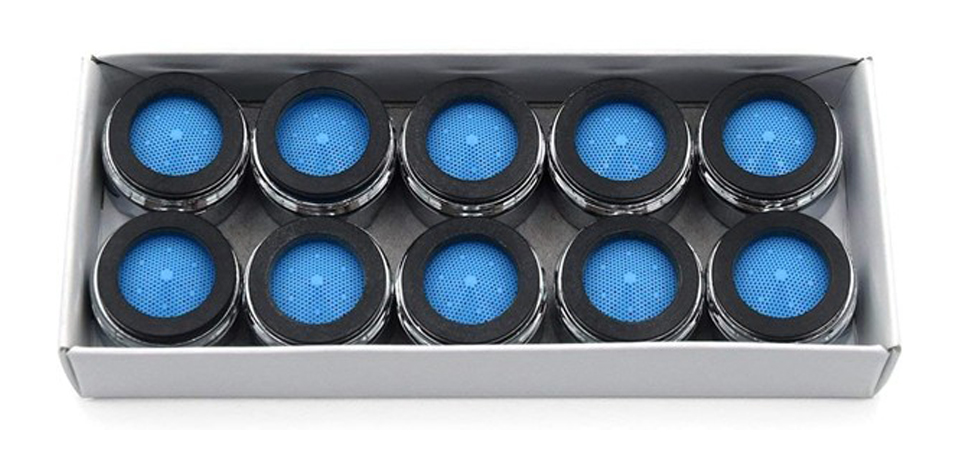
Tip: Anywhere where new fittings are connected to the piping in old drinking water installations without modifications, the 5 l/min flow regulator on the new taps should be swapped to regulators that are instead rated at 8 to 10 l/min. This also applies in the case of modern drinking water installations where reduced usage is expected – if users are bedridden, for example.

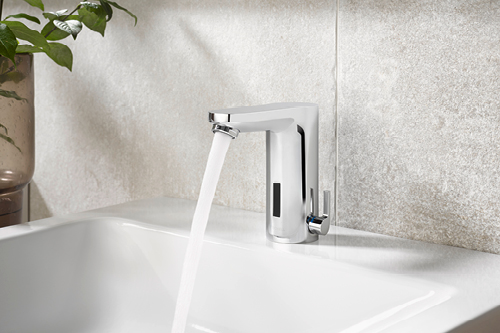
Electronic taps can also have adverse effects if they are adjusted to be too ‘stingy’: if the flow of water is stopped during soaping-up every time the hands are taken out of the sensor range, for example, this causes constant interruptions. There is no continuous flow of water. As a result, the specified normal operation that was based on calculations using standard single-lever taps can no longer be achieved.

Tip: Electronic taps are typically adjusted to the most economical setting when delivered. Accordingly, they should be reprogrammed during commissioning and set to a longer delay time.
 

Electronic fittings and flush systems as technical aids

As a general rule, maintaining drinking water hygiene should typically be assured by the normal use of drinking water from narrow, T-piece drinking water installations with the number of tapping points kept to a minimum. This is usually the case in residential construction. The tenant or resident is also responsible for the regular use of all taps and fittings.

Things are different in public-use buildings like schools and sports facilities, hospitals and nursing homes. Here, there is no way of ensuring this regular use of each tapping point. Nonetheless, operators are still responsible for ensuring an exchange of water.

In such cases, automated flush systems are a useful and often necessary add-on. These do not replace usage as such but compensate for downtime. In most cases, these are essential as terminal ‘flushing stations’ in normal operation. Not least because overly complex ring installations can no longer be operated in hygienic safety without automated flushing systems.
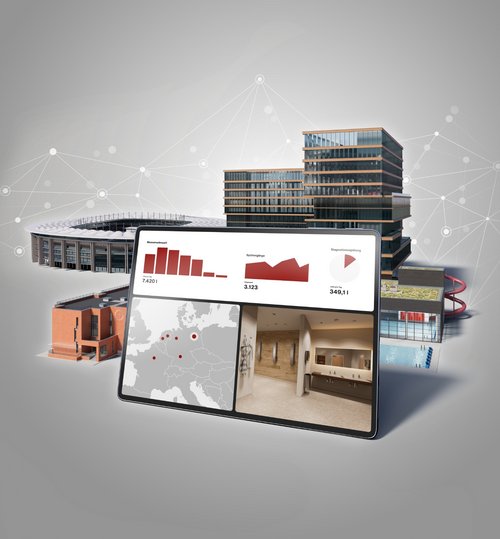
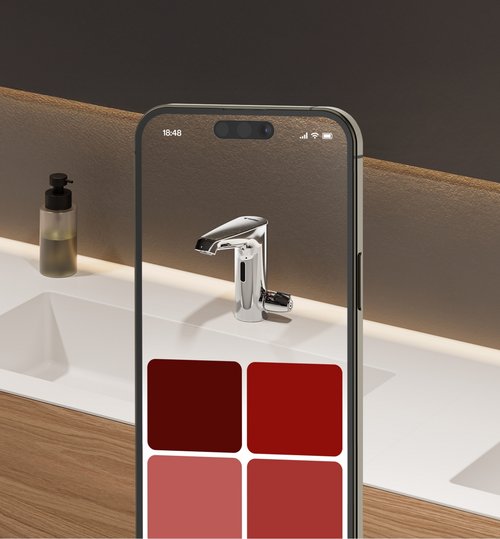
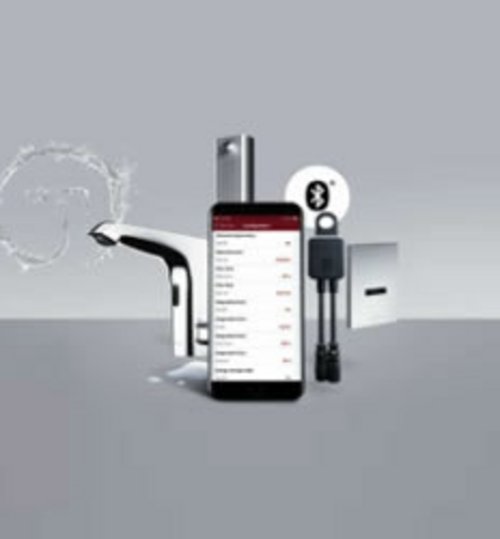
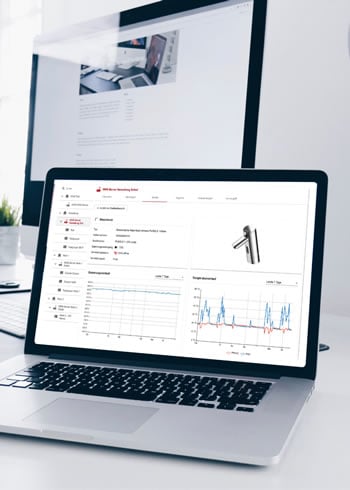
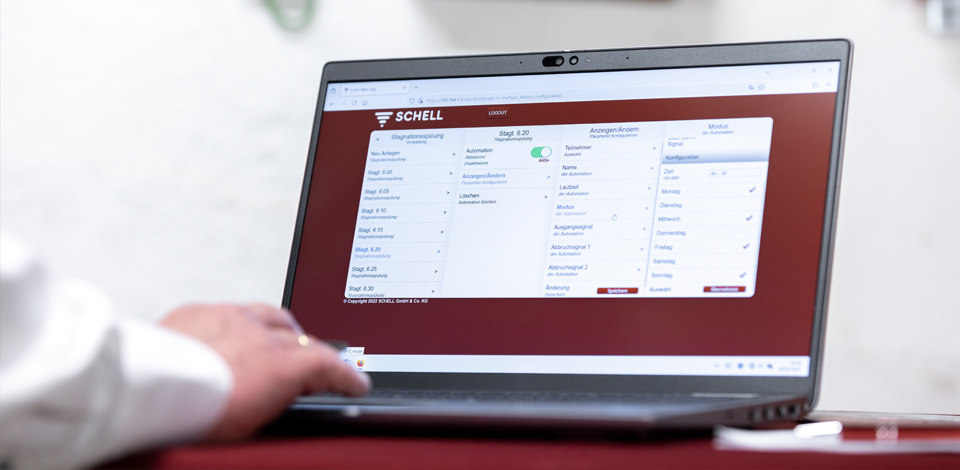
Instead of flushing schedules – which are often difficult to implement properly – operators are now turning to automated solutions like the SWS Water Management System/SMART.SWS.

Planning, parameter setting and commissioning

Common mistakes with automated flush systems

In practice, the same handful of mistakes are encountered, which can lead to problems with hygiene: 

  • Flushes not activated: Many systems are shipped out deactivated – and stay that way even after installation.
  • Not adjusted to the building: Without the individual adjustment of flush frequency/duration, for example, or the creation of flush groups, the system setup will be sub-optimal. 
  • Lack of cross-checking: Many flush records only log the control commands but not the actual flow of water

Typical causes of malfunctions: 

  • Stagnation flushes are not activated
  • Shut-offs stay closed
  • Installation fault

The trouble is, that many mistakes remain undiscovered for a long time! This is especially problematic for centralised flush stations, because overly complex installations can only be operated safely with flush stations.

Operation and monitoring

Regular checks are essential. The actual flow of water is always crucial here. After all: the specified normal operation depends on water actually flowing. In practice, simply checking the system logs is never enough. Typically, these only record the control commands issued but not if water actually flowed or not.

Recommended approach:

  • Use of temperature or flow volume sensors 
  • Routine technical and visual inspection, starting at commissioning: Comparison of fit-out planner’s target values with actual values from plumber
  • Checking of flush logs for plausible figures 

Even simple techniques can offer data here – like visible wetness after flush operations outside the typical hours of use.

Using electronic flush systems properly

Electronic flush systems are neither a perennial problem nor the automatic ‘magic bullet’ for solving all hygienic challenges.

Their utility always depends on being properly used.

  1. Adjustment to the installation
    Every drinking water installation is unique. Flush intervals and durations must thus be correctly chosen. 
  2. Ensuring an actual flow of water
    Only a real flow of water through piping guarantees drinking water quality. 
  3. Regular inspection and maintenance
    Technology is not a substitute for operator responsibility: systems need permanent monitoring. 
  4. An integrated view
    Despite centrally organised flushing activities, water exchanges are still needed in pipe stubs. So, every tapping point is relevant. 

If these aspects are properly considered, electronic flush systems make a key contribution to drinking water hygiene. They relieve the burden on operators, improve operational reliability and help to ensure compliance with regulatory requirements.

Other topics: