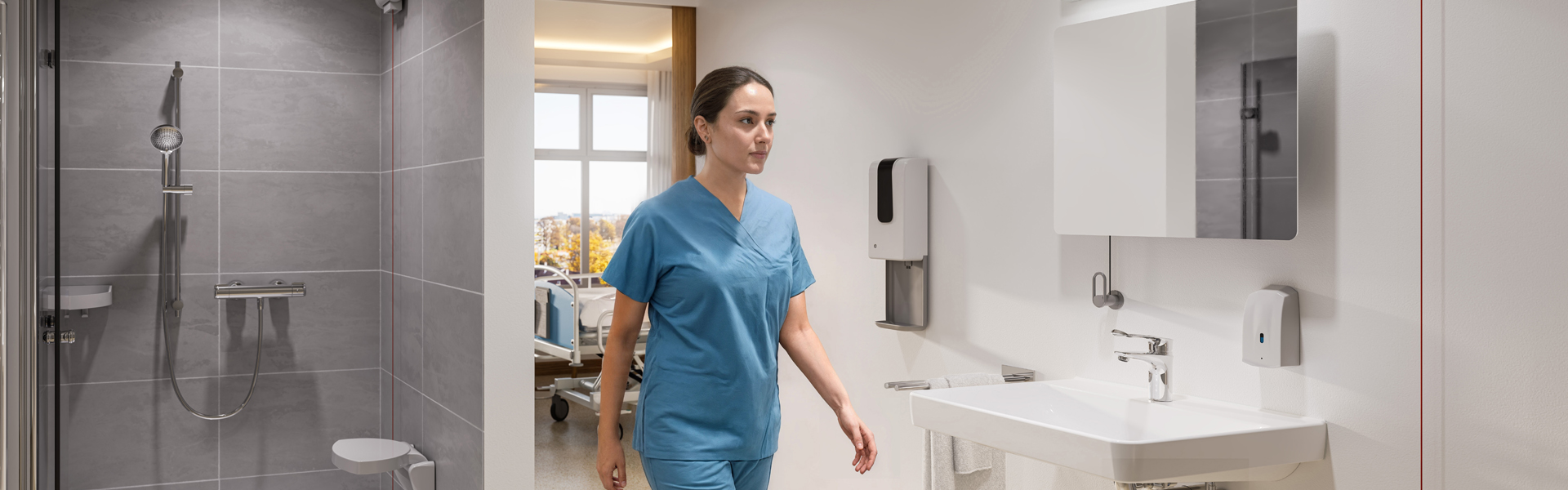
modus_totale_XL_people_v2_Header_1920x600

Planning and renovating sanitary equipment in care facilities

In residential and nursing homes, comfort is not the only criterion: action must also be taken to protect the most vulnerable. Many residents have health issues, are restricted in their mobility or have impairments that affect their reaction speed. Diseases that can be caused by Legionella, for example, are considerably more dangerous for these individuals than for young and healthy people. All of which makes it even more important that safety, hygiene and comfort are assured at all times – and especially in sanitary facilities. 

In practice, however, planners and operators face sizeable challenges: outdated equipment, a lack of anti-scalding protection or inadequate drinking water hygiene can easily give rise to risks. At the same time, demands for accessibility, user comfort and economic operation are more onerous than ever. 

With efficient, long-lived fittings that offer intuitive controls and the SWS Water Management System, SCHELL’s solutions are used for the safe and future-proof fit-out of care facilities.

Key requirements for sanitary equipment in care facilities

There are many requirements for sanitary equipment in care facilities and these requirements are closely connected to user needs. First and foremost are safety, hygiene and a fit-out that is appropriate for care patients. Key requirements are presented below. 

General requirements

User safety: The sanitary equipment in care facilities must be safe to use for people of any age and with a wide range of physical conditions. Reaction times will often be slower for older people and those in need of care. Reliable protection against burns and scalding is therefore essential for the prevention of injuries. People with reduced mobility must also be able to use the sanitary equipment safely at all times. 

User hygiene: High standards of hygiene are essential to minimise the risk of infection and ensure the safe use of these facilities. 

Clean and easy to maintain: Sanitary facilities in care facilities must be especially hard-wearing, and able to withstand intensive cleaning and disinfection processes. Quick and thorough cleaning is also equally important.

Drinking water hygiene: In care facilities, maintaining drinking water hygiene is especially important. Many residents are considered ‘vulnerable’ users, who have a higher risk of worse outcomes after infection by bacteria such as Legionella or Pseudomonas aeruginosa. Stagnation can occur as a result of irregular use of individual tapping points. A regular exchange of water is therefore essential. 

Operational sustainability and saving water: The economical use of water and energy is also an all-important topic. The use of sustainable and water-saving solutions is thus increasingly relevant. 

Specific requirements

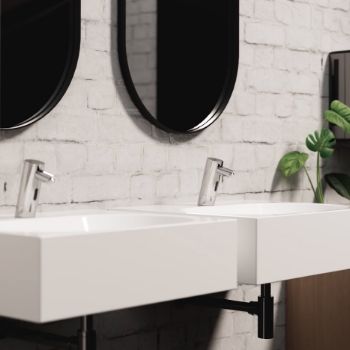
Wash basins: Wash basins in care facilities are used by various types of users. In resident rooms, the priority is on the safe and ideally self-determined use of facilities – even with limited mobility and physical strength. In visitor and communal areas, wash basins are used more frequently and must therefore be capable of meeting more demanding standards for hygiene and robustness. Straightforward cleaning is imperative in all areas. 

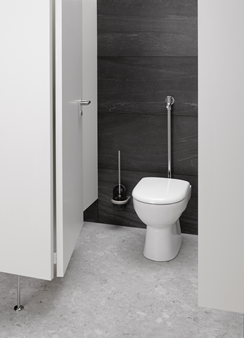
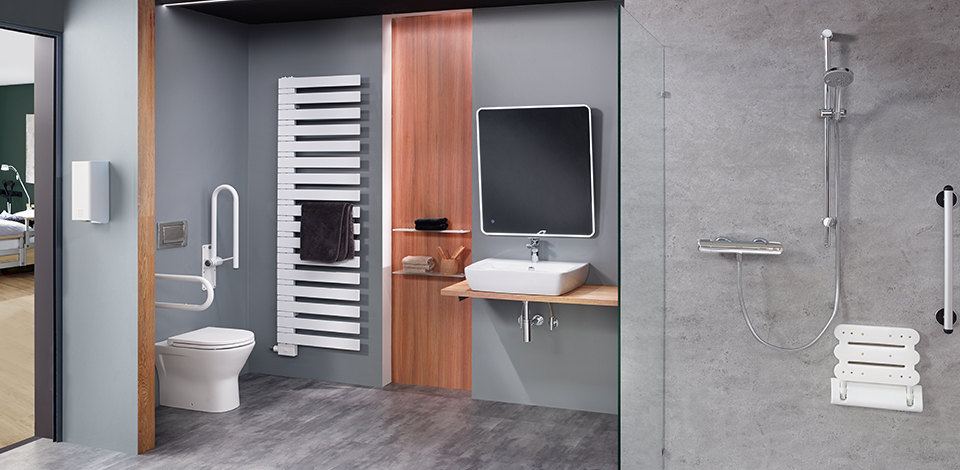
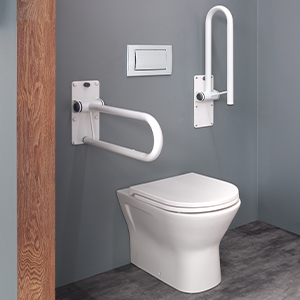
WC facilities: The WC facilities in care facilities must be safe to use for people with a wide range of physical conditions. Many residents will have mobility issues or be reliant on additional kinds of aids or support. Accordingly, the equipment needs to be simple to use and meet high hygiene standards while also offering sufficient space to move around in

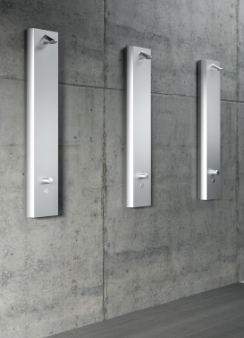
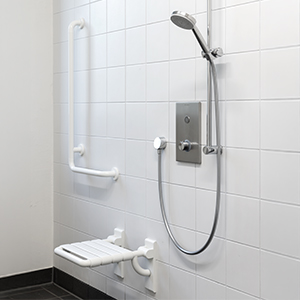
Showers: Apart from ensuring safety in terms of hygiene, showers must also reliably prevent any kind of scalding or burn injury. Showers must also be straightforward to use for residents with reduced mobility. 

Kitchens: In care facility kitchens, ensuring the water supply is hygienic is a top priority: this is needed to avoid cross-contamination while also maintaining strict standards for food preparation. Robust materials and straightforward cleaning are also all-important here.

Technical/utility rooms: Technical/utility rooms are often infrequently used, although they still require reliable sanitary solutions. Compact, space-saving fittings that require no additional installation effort are needed here. 
Renovation or new build? Factors to consider

Whether old facilities are being refurbished, renovated or modernised, or new sanitary facilities are planned, the goal is to achieve a safe, hygienic and functional installation. Clear requirements apply here for both planning and operations.

User safety: anti-scalding and burn protection

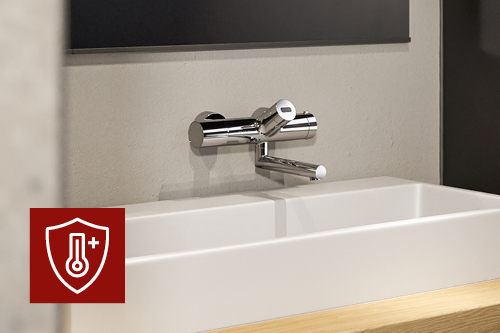
To protect residents, visitors and facility staff, the sanitary equipment installed must offer reliable protection against scald injuries and burns. Technical codes require specific action to be taken here. DVGW W 551 states that draw-off taps with individual locks must be used and with anti-scalding protection provided as necessary. DIN EN 806-2 recommends the use of thermostatic mixing valves with a maximum temperature of 43 °C. Steps should also be taken to eliminate the risk of burns from excessively hot surfaces.

Drinking water hygiene

A basic requirement for maintaining drinking water quality – keep the water moving. Care facilities may also have empty rooms or rarely used tapping points – e.g. in technical/utility rooms or basements – which lead to stagnation in the installation piping and therefore a greater risk of higher concentrations of harmful Legionella bacteria in the drinking water installation. As a preventive measure, Part 1 of the German VDI 6023 technical code requires a full exchange of water across all tapping points at least every 72 hours. Building operators are required by law to ensure specified normal operation and keep full records of the same. 

SCHELL solutions for sanitary equipment in care facilities

Wash basins

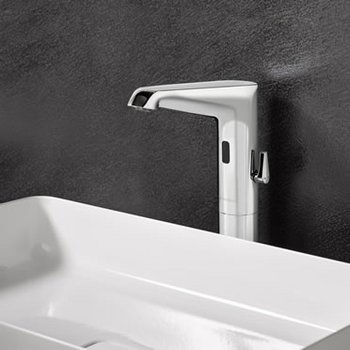
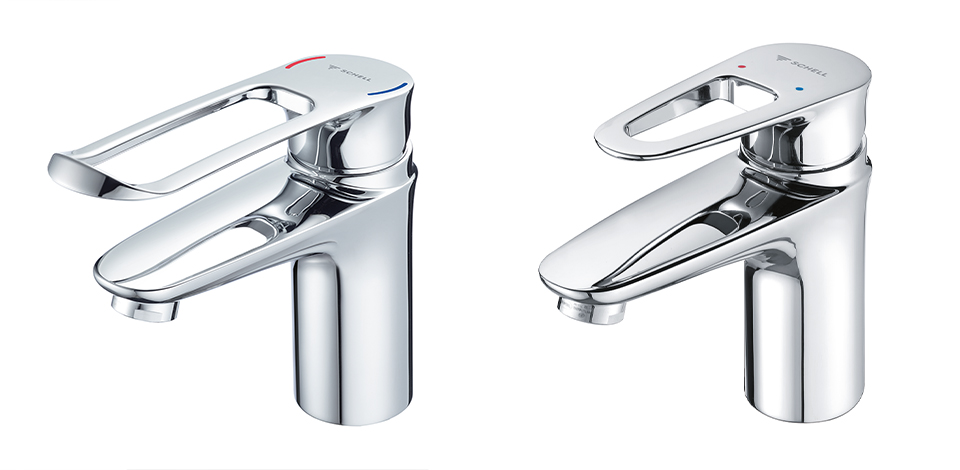
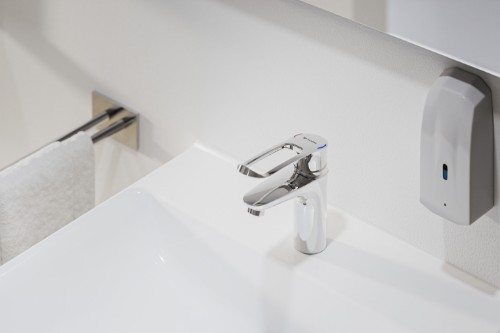
Many residents in care facilities have only limited mobility or significantly reduced grip strength. Accordingly, fittings need to be especially simple and safe to operate. With the MODUS EH-T and MODUS Care EH-T single-lever mixers, SCHELL offers two solutions that feature a particularly ergonomic and user-friendly design. Thanks to the open loop shape and extra-long lever with an upward-pointing tip included on the MODUS Care EH-T, the taps can still be used easily by people with little physical strength and fine motor difficulties. The ThermoProtect technology with thermostat cartridge also provides reliable and precise protection against scalding.

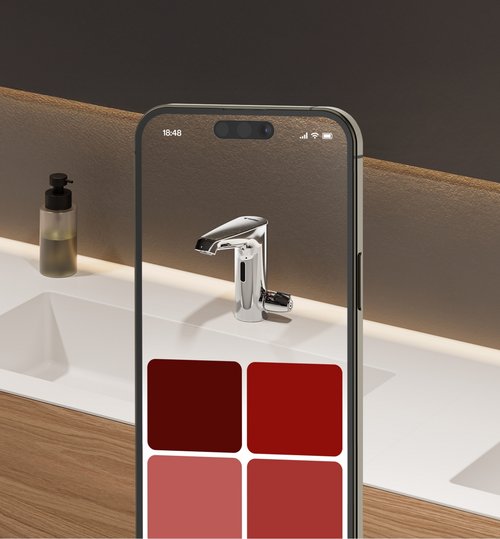
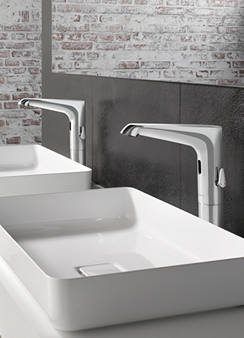
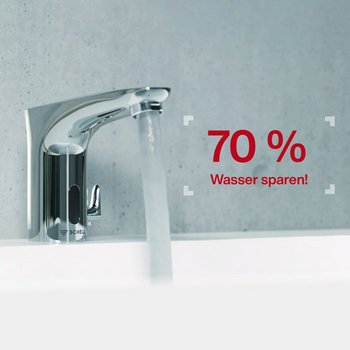
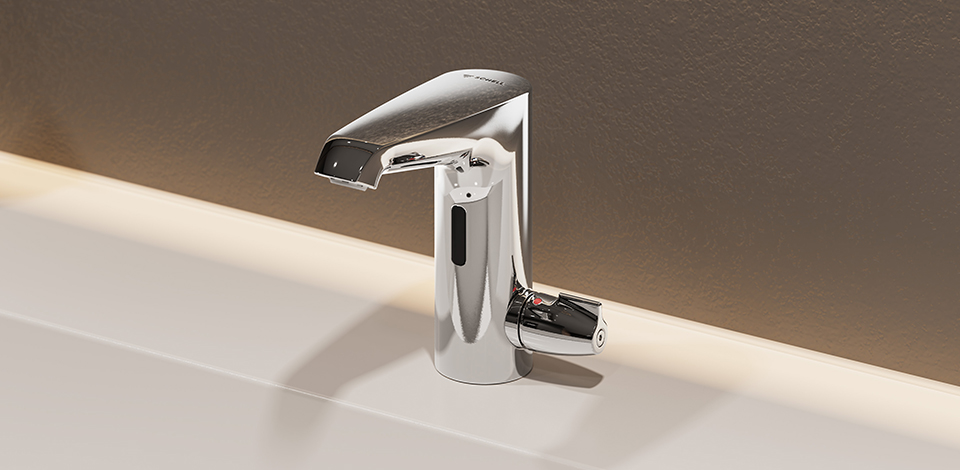
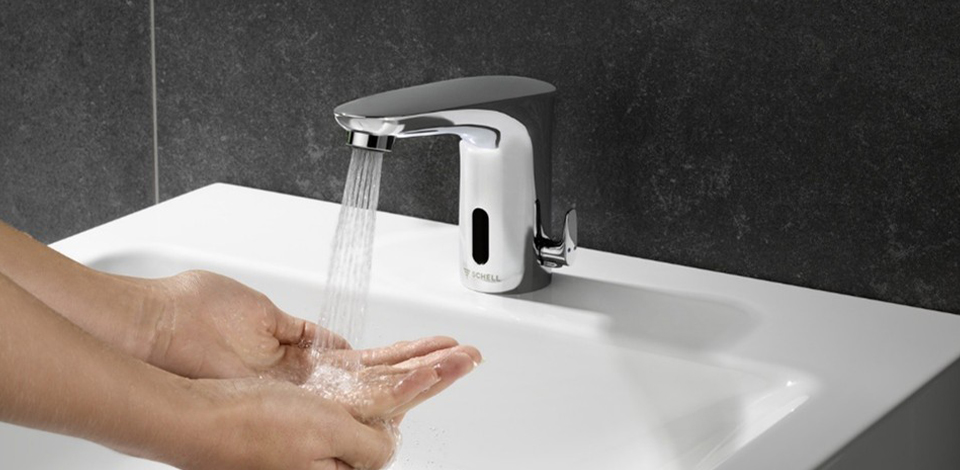
Suitable taps for visitor areas include contactless taps like the XERIS E², CELIS E² and PURIS E² from SCHELL. Thanks to their precise ToF (time-of-flight) sensor technology, the flow of water is started without touch as soon as the hands enter the detection range. This significantly reduces the risk of a contact infection. The automatic shut-off mechanism also saves both water and energy. The CELIS E² and PURIS E² wash basin taps also feature mechanical hot water limiting. The XERIS E²-T has a ThermoProtect thermostat that provides reliable, precise anti-scalding protection and an instant water stop if the cold water line fails.

WC facilities

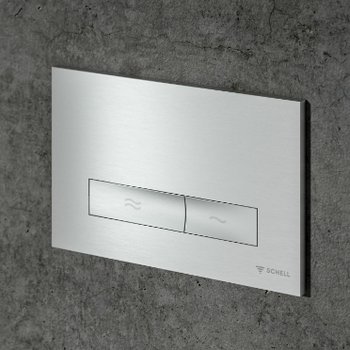
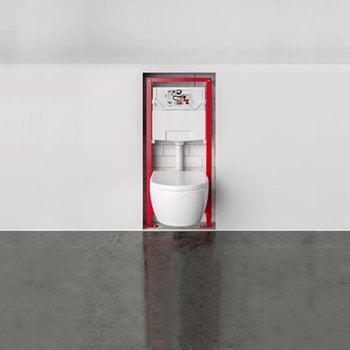
For the WC areas in care facilities, SCHELL offers a range of suitable solutions that promote both hygiene and accessibility. The MONTUS CS 120 and MONTUS Flow H WC modules are an especially strong choice here.Thanks to a narrow frame design, the WC modules are easy to combine with the SCHELL MONTUS high load mounting modules. These enable the simple and standardised installation of wall-mounted grab bars and other types of fixtures – even as later retrofits. 

Showers

User safety is a particular point of focus in the case of showers in care facilities. Reliable anti-scalding and burn protection is critical here: apart from skin damage, there is also a risk of falls if users try to dodge a sudden jet of hot water.

The LINUS series of concealed shower fittings from SCHELL are characterised by excellent user comfort and economical water consumption. For an accessible bathroom fit-out, models with integrated ThermoProtect technology – like the LINUS D-C-T – are especially suitable. 

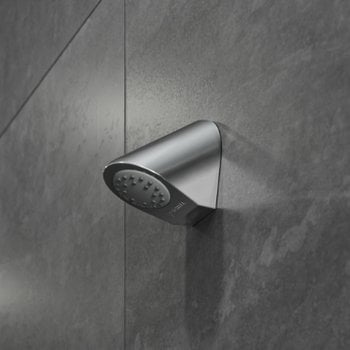
Very practical: the LINUS concealed showers can be combined with reduced aerosol shower heads. These work without adding air to the water and thus minimise the formation of aerosols. This, in turn, substantially reduces the risk of airborne bacteria and viruses.

Exposed shower fittings from the VITUS series offer various types of controls as well as plenty of options for installation. Models like the VITUS VD-SC-T ensure straightforward operation with an automatic closing mechanism and are equipped with ThermoProtect technology to provide reliable and precise anti-scalding protection. 

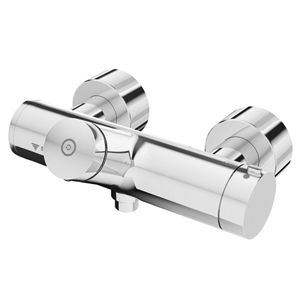
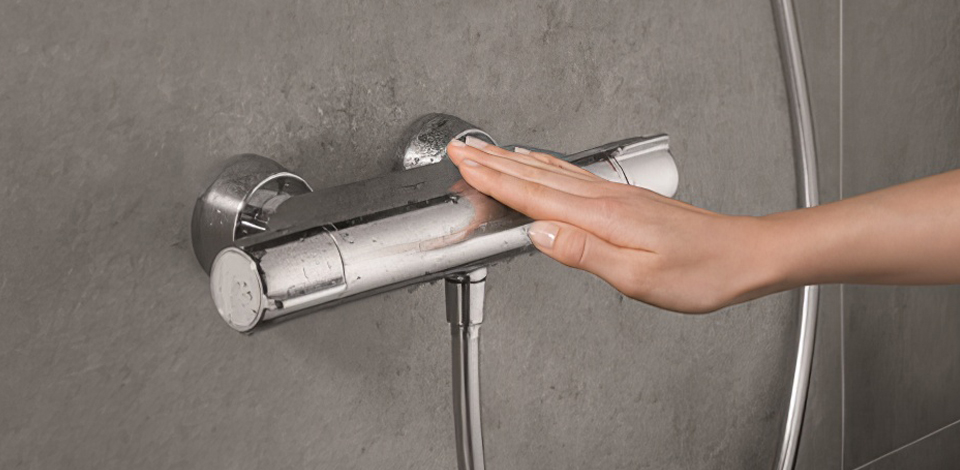
SCHELL’s MODUS MD-T exposed shower fitting is also the perfect option for installation in care facilities. Equipped with ThermoProtect technology, the fitting provides effective anti-scalding protection, while the IsoBody technology prevents the housing from heating up even if water temperatures are high – so as to provide reliable protection against burns. The well thought-out design of the shower thermostat, with wing handles and pictograms, makes it intuitive to use, even for user groups with physical limitations.

Kitchens

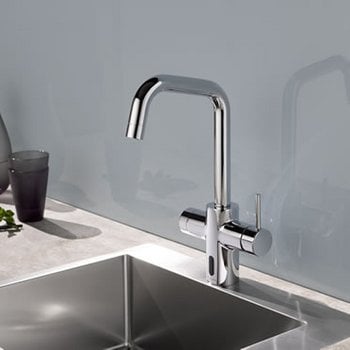
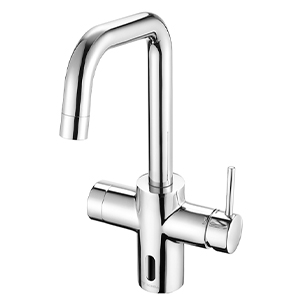
SCHELL’s GRANDIS E kitchen tap features a hybrid design, which offers contactless operation alongside manual controls. The single-lever mixer permits conventional manual control while the integrated infrared sensor ensures contactless operation with the preconfigured water temperature. Hard-wearing, easy-to-clean surface finishes and reliable technology make the GRANDIS E ideal for the demanding care facility environment.

Technical/utility rooms

Electronic, contactless wash basin taps like the MODUS E are ideal for rarely used utility sinks. Needing little space, and suitable for cold and mixed water, these economical taps are the perfect choice for these out-of-the-way rooms. Easy upkeep is another bonus.

Maintaining drinking water quality in care facilities with the SCHELL SWS Water Management System/SMART.SWS

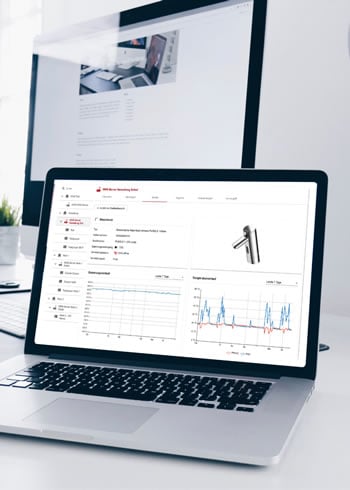
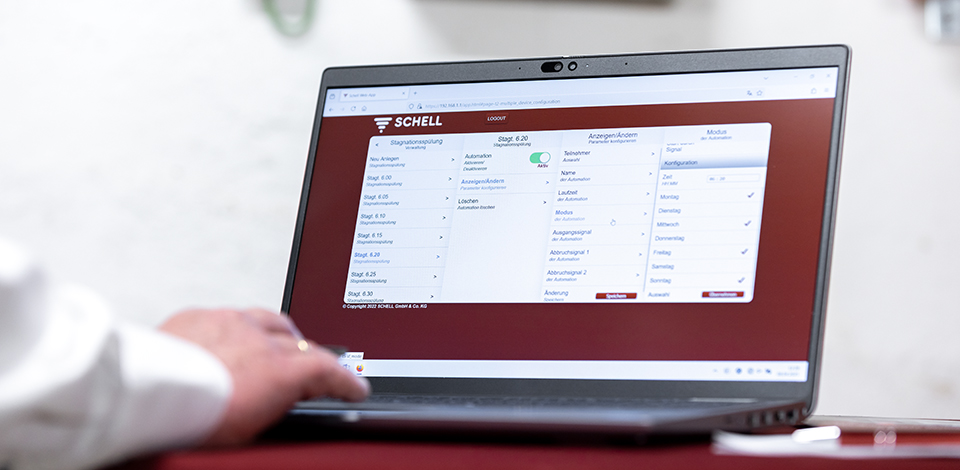
SCHELL’s SWS Water Management System/SMART.SWS is an especially smart choice for care facilities, as it offers support for maintaining drinking water quality. Building operators are required by law to ensure drinking water is exchanged every 72 hours across all tapping points. For healthcare facilities, the VDI 6023 technical code recommends even shorter cycles of 24 hours. With SWS/SMART. SWS combined with electronic SCHELL fittings, automated stagnation flushes can be performed across all tapping points: the ideal approach for preventing high concentrations of Legionella. Thanks to the centralised management of all electronic fittings, the system ensures compliance with hygiene standards for drinking water installations while saving time and water. 

Future-proof sanitary solutions for forward-looking care facilities

Requirements for sanitary equipment in care facilities are challenging: protecting vulnerable people, reliable hygiene, simple controls for fittings, and economic operation all need to be taken care of in equal measure. A safe environment is very important for older people and those in need of care – and this is especially true for sanitary equipment. 

SCHELL offers durable, low-maintenance and efficient solutions that make care facilities fit for the future – to protect residents, staff and the environment.

SCHELL does care facilities: References

Lehmgruben House Senior Centre – Diakonie Rummelsberg 

Project data

Property type: Senior Centre
Requirements: Renovations
Completion: July 2022
Location: Marktheidenfeld
Country: Germany
Planning: Diakonie Rummelsberg (Property Dept.)
SCHELL products: SSC Bluetooth® module, PURIS E electronic wash basin tap, VITUS VW-C-T exposed wash basin tap, VITUS VD-C-T exposed shower fitting, incl. sampling angle valve

Find out more about this reference

Other topics: