When buildings ‘go to sleep’: risks for drinking water hygiene
In many commercial and public-use buildings – such as offices, schools, nursery schools or sports venues – individual parts or rooms may go unused at certain times. Especially in cases of temporary lower usage or non-use, during holiday periods or when use is group-dependent, this can prolong stagnation times in the drinking water installation. The necessary exchange of water simply doesn’t happen. This makes the requirements for drinking water hygiene much harder to meet – because water quality must be ensured at all times, right up to every tapping point. Stagnation flushes are therefore needed to counter these effects. However, flushing by hand is very time-consuming. Flushing plans have to be kept to and tapping points opened on a regular basis. A significantly simpler approach is to use automated stagnation flushes to ensure the regular exchange of water. Read on to find out how this legal requirement can be met efficiently as part of day-to-day operations.
Challenges to drinking water hygiene
Different patterns of use in specific areas
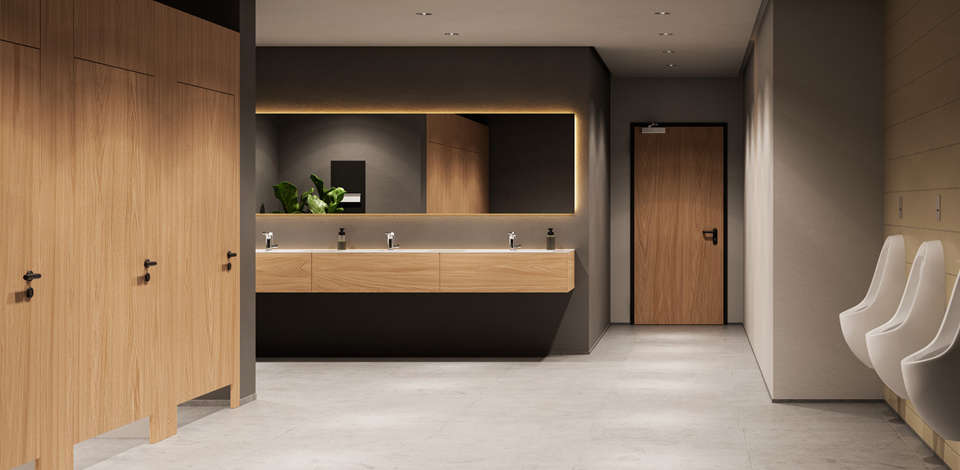
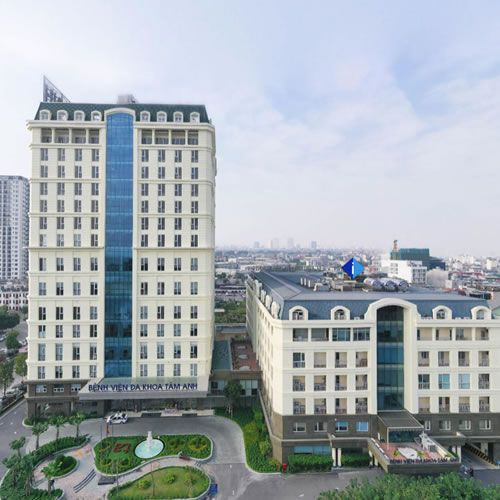
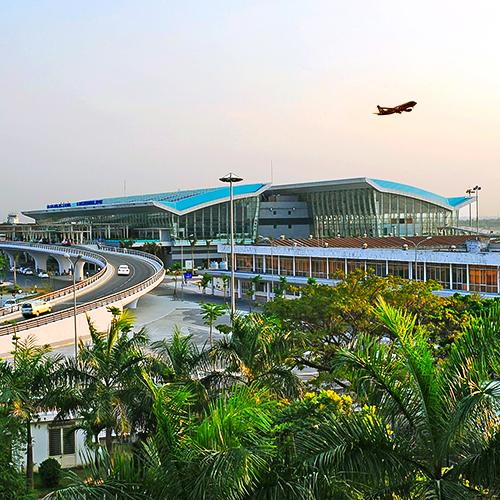
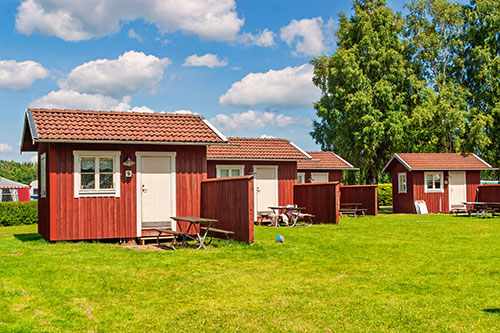
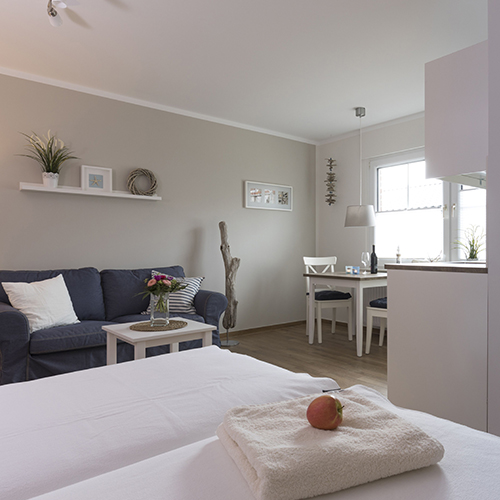
Commercial and public-use properties present particular challenges when it comes to the maintenance of drinking water hygiene. Individual areas or tapping points may not be consistently used. Fluctuations in use due to holiday periods, school holidays or temporary closures result in situations where the exchange of water is no longer adequate across all tapping points and prolonged periods of stagnation occur. Apparently trivial factors can be critical here: a ‘hidden’ tap in the janitor’s room or an unused shower in the changing rooms are all that’s needed. Other typical examples are wash basin taps in classrooms that are only rarely used. Building operators are required by law to ensure good drinking water quality at all times. Risks such as increased levels of Legionella must also be prevented. Part of this involves a full exchange of water across all tapping points at least once every 72 h.
Stagnation and its consequences
In many buildings, the drinking water installation is not used exactly as originally envisaged. In public-use and commercial buildings in particular, interruptions in use and periods of lower use affect the drinking water installation, even though these were not accounted for by planning. If water does not flow as intended, then it stagnates in the piping. This creates favourable conditions for the growth of microorganisms relevant for hygiene – especially in the temperature range from 25 °C to 50 °C. This highlights a key problem: specified normal operation is not maintained, even though the installation is in perfect working order. This gives rise to the following risks.
Why the manual approach is often not enough
Flushing as the foundation for drinking water hygiene
Flushing ensures the regular exchange of water in the building installation with the aim of avoiding excessively long stagnation and keeping drinking water quality constant. Tapping points are opened systematically, so as to exchange stagnating water for fresh water. This work is often organised with flushing plans, which define intervals based on usage and building zones.
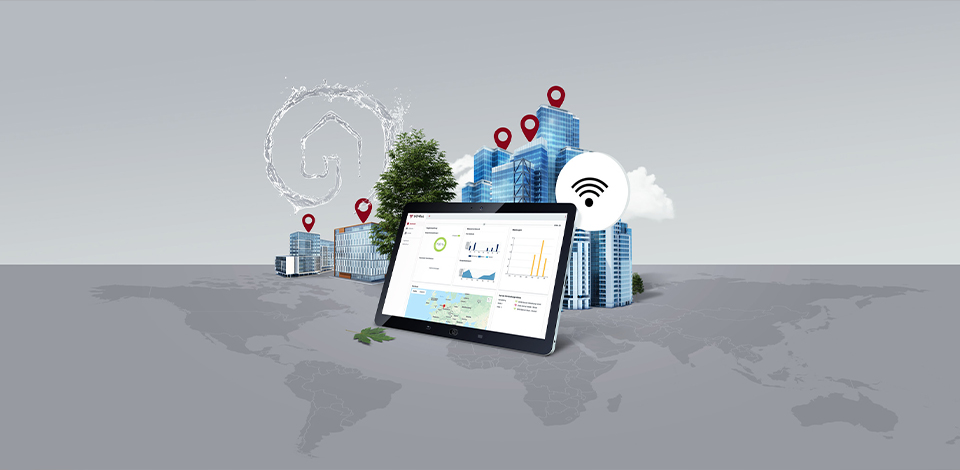
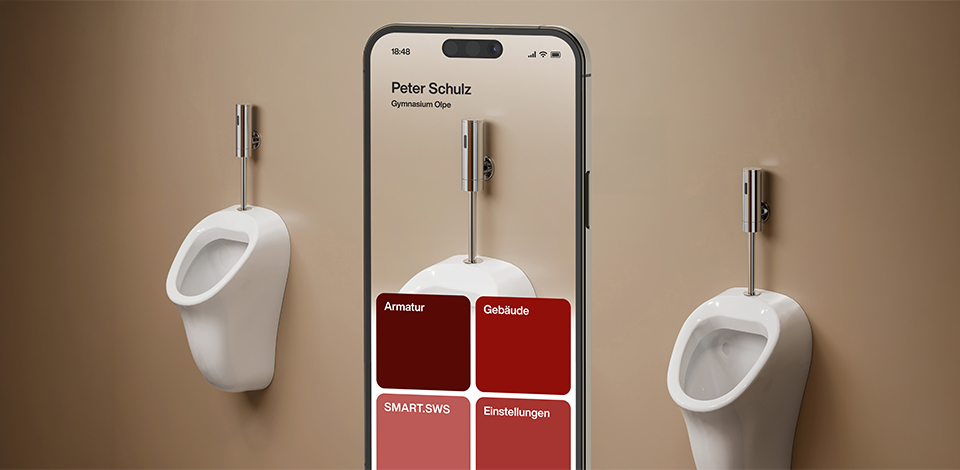
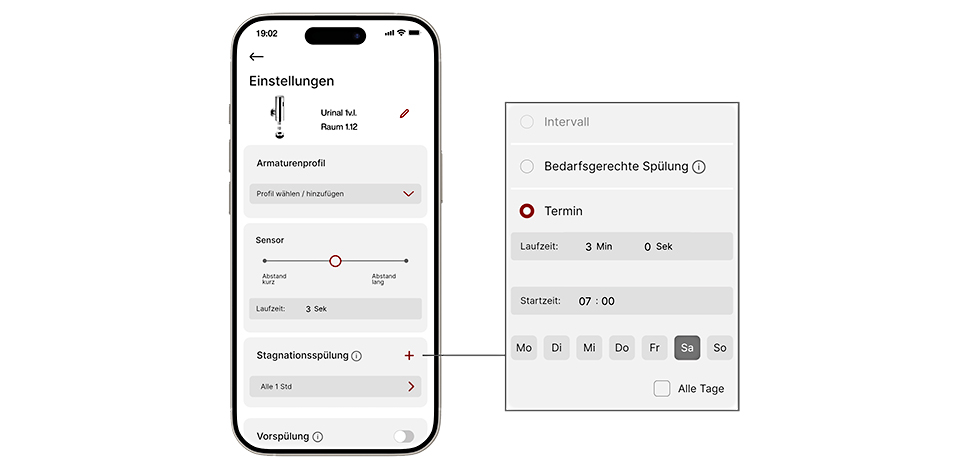
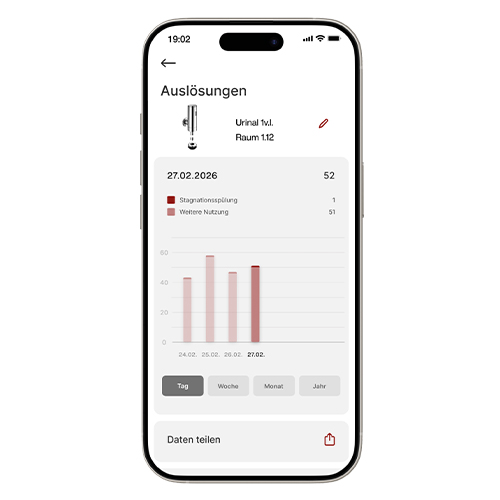
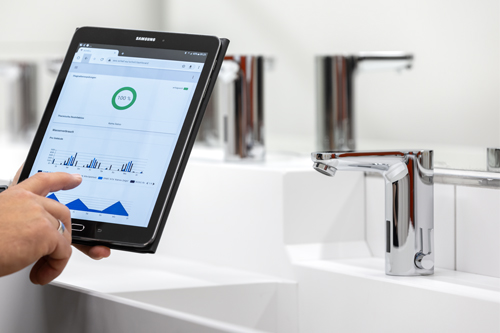
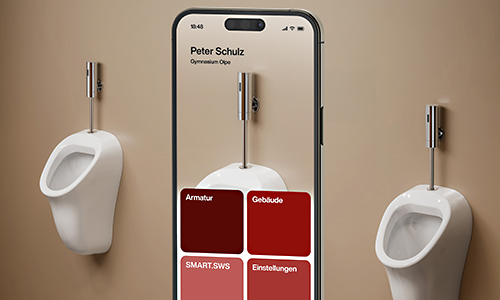
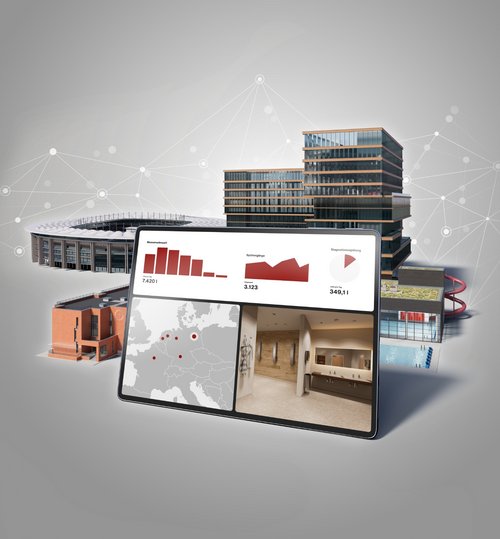
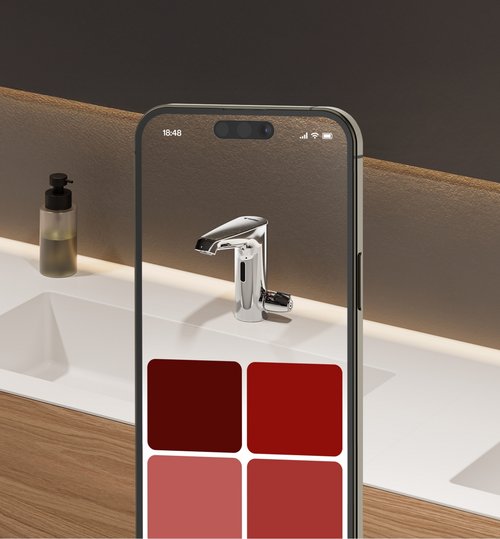
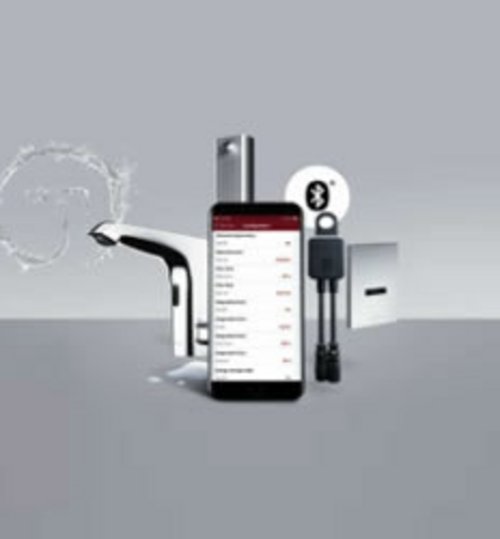
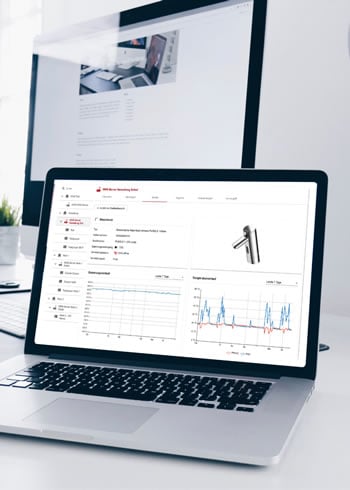
SMART.SWS extends the SCHELL SWS Water Management System to the cloud. This provides remote online access to all buildings with installed SWS systems, including fittings and relevant system data as well as operating parameters. This also makes maintenance work much easier to plan.
Combining SWS with SMART.SWS offers some key advantages. Building operators and facility managers benefit from a high level of hygienic safety as well as much-reduced workloads. The combined system also adds real economic value. Thanks to reductions in the personnel and time needed as well as lower water and energy consumption, processes become more efficient and costs are cut significantly.
SWS and SMART.SWS are thus the ideal solution for the user-friendly remote management of drinking water hygiene. This is especially true for larger or multiple properties.
The group manager can be used for the simultaneous configuration of a group of fittings. This saves time. Building and room management functionality can also be used to manage multiple groups of fittings. This helps to streamline processes.
Safe operation despite fluctuations in use
Fluctuating or low levels of use are typical in many kinds of public-use and commercial buildings. This elevates the risk of excessive stagnation and hygiene problems in the drinking water installation. Building operators are required by law to ensure specified normal operation at all times and to ensure drinking water quality across all tapping points. Automated solutions with electronic fittings and networked water management systems offer a reliable starting point here. These help to safeguard the specified normal operation of the drinking water installation even when patterns of use tend to vary.


![[Translate to English:]](/fileadmin/user_upload/images/menu/menu_service_downloads_broschueren.jpg "[Translate to English:]")


![[Translate to English:]](/fileadmin/_processed_/7/7/csm_menu_unternehmen_ueber-schell_awards_f6cec25b1d.jpg "[Translate to English:]")
![[Translate to English:]](/fileadmin/_processed_/a/0/csm_menu_unternehmen_ueber-schell_wasser-sparen_41036d2dd9.jpg "[Translate to English:]")