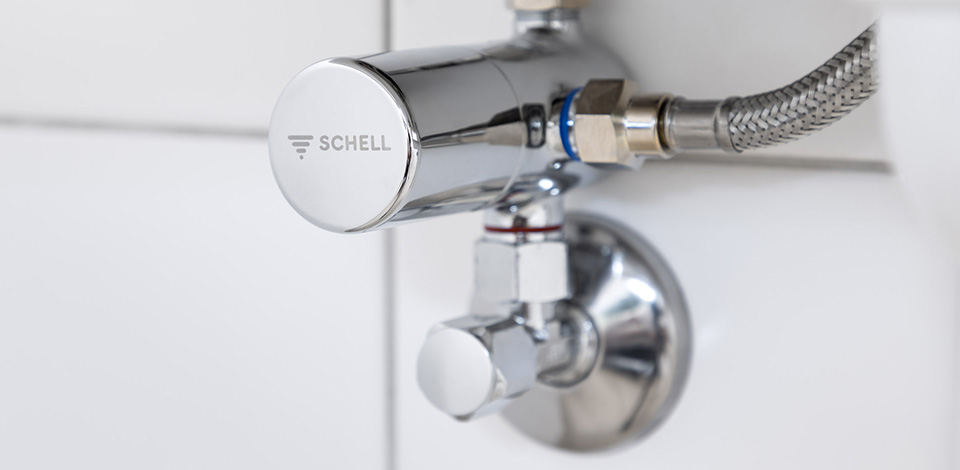
The basic precondition for maintaining drinking water quality is the regular exchange of water. VDI 6023 states that this must take place at least once every 72 hours.
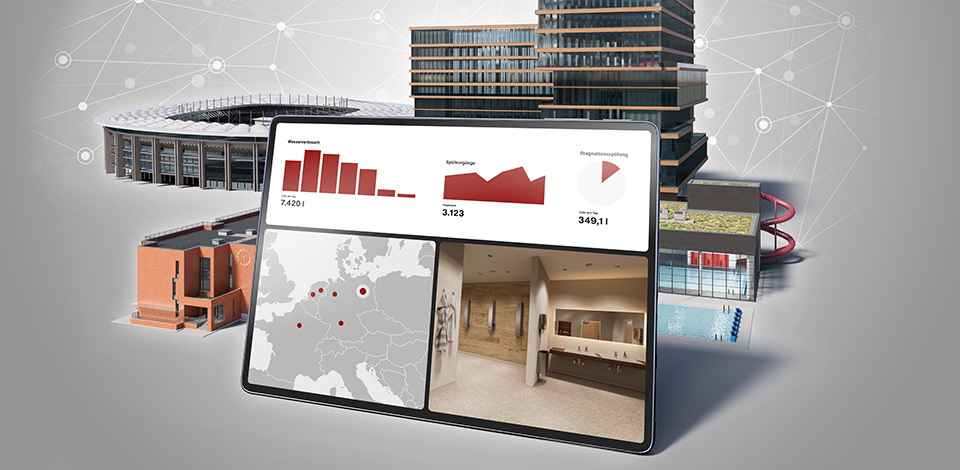
In buildings used by the public like schools or offices, long weekends, public holidays or summer holidays can easily lead to problems with stagnation in the piping. If the same water stays in the piping for too long, however, this can favour the spread of bacteria like Legionella. To prevent this from happening, the regular exchange of water across all tapping points must be assured.
Alongside the regular exchange of water, the water temperature is another key factor that should be controlled to prevent the excessive growth of bacteria. Temperatures required: cold water 25 °C and hot water >55 °C
Using suitable materials and products
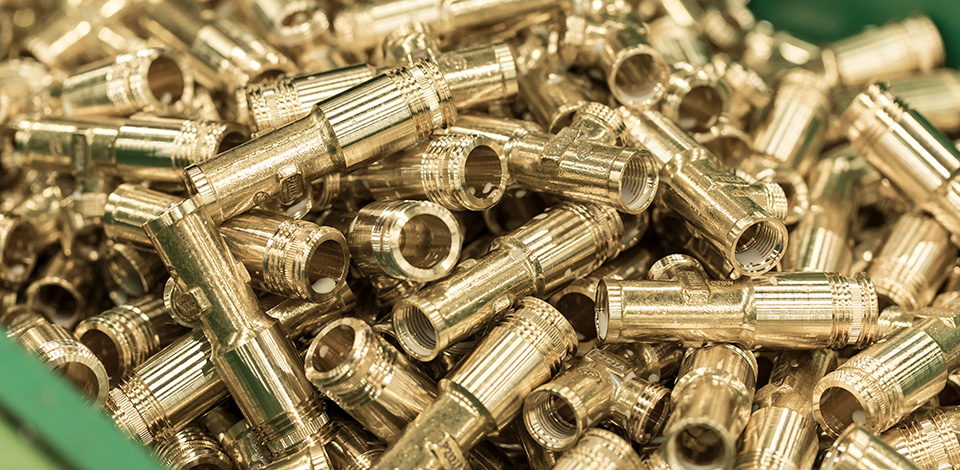
The materials used in the installation also have an impact on drinking water quality. Metals, plastic parts and mineral deposits can all change the properties of the drinking water and negatively affect its hygienic safety. Accordingly, all of the materials and products used must be suitable and approved.
Relevant legislation includes sections 14 and 15 of the German Drinking Water Regulation, which set out requirements for installation materials that come into contact with drinking water.
Important: As noted in technical codes like DIN EN 806-2, DIN 1988-200 and DVGW W 534, the choice of suitable materials also depends on the properties of the local drinking water. Planners should therefore consult the details provided by the water utility and specify suitable materials and components early on.
Anti-scalding protection and safe usage
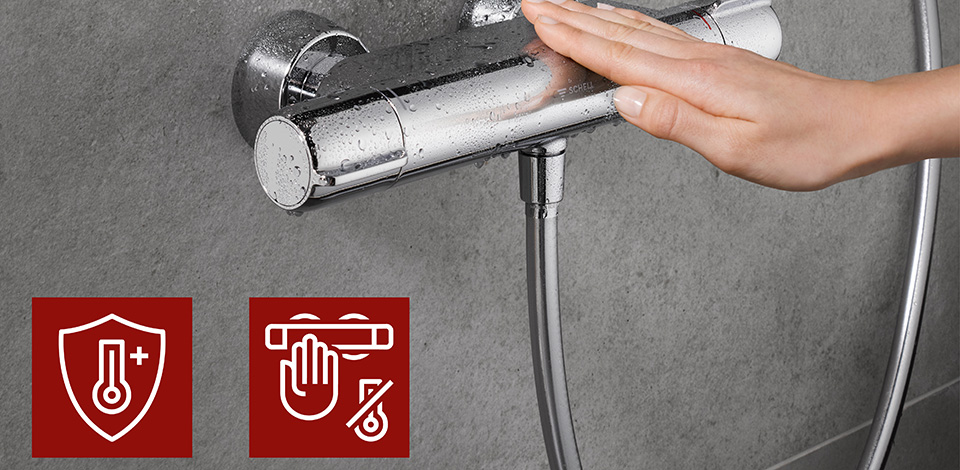
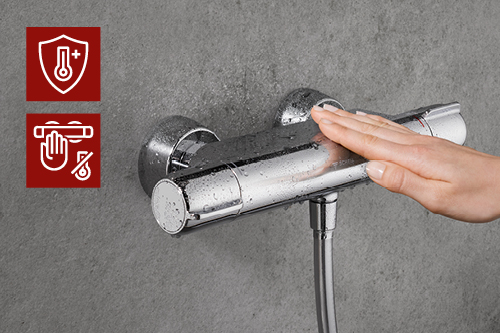
According to DIN EN 806-2, systems that provide heated drinking water must be planned so as to minimise any risk of scalding. Specific temperatures are recommended for vulnerable user groups: in hospitals, schools or residential homes, the draw-off temperature must not exceed 43 °C. In shower facilities in nursery schools and special areas in nursing homes, the temperature should be limited to a maximum of 38 °C.
Even though these are normative recommendations from applicable standards, they can become definitive limits for operators in the context of public safety obligations. Operators must act to protect users from the dangers mentioned in the respective standard: either by implementing the proposed measures or by taking other action that reliably achieves the required level of safety.







![[Translate to English:]](/fileadmin/user_upload/images/menu/menu_service_downloads_broschueren.jpg "[Translate to English:]")




![[Translate to English:]](/fileadmin/_processed_/7/7/csm_menu_unternehmen_ueber-schell_awards_f6cec25b1d.jpg "[Translate to English:]")
![[Translate to English:]](/fileadmin/_processed_/a/0/csm_menu_unternehmen_ueber-schell_wasser-sparen_41036d2dd9.jpg "[Translate to English:]")