iStock-611212244_elxeneize_Header_1920x600

Summer warming of cold water lines: an overlooked hygiene risk

Temperatures are naturally higher in summer. But not just outside: often in places that initially go unnoticed by facility management – namely in the drinking water installation. Higher outside temperatures can cause excessive heating of the cold water piping and the water it contains. If less or no water is used from the system during the holiday period, this also prevents the necessary exchange of water. This results in an increased risk to drinking water hygiene from Legionella.

Operators should therefore remember to monitor cold water temperatures in summer while also taking steps to maintain specified normal operation. Read on to find out how to keep installations running safely despite hot summer weather and how solutions from SCHELL can offer a helping hand.

Why cold water warming is a hygiene risk

If the temperature in a cold water line is allowed to rise above 25 °C, this can affect drinking water hygiene. This temperature is within the range where Legionella starts multiplying faster.

Although Legionella occurs naturally in drinking water, the bacterium is not usually a health hazard at low concentrations. Things become critical if the microbe starts to proliferate as a result of stagnation or higher temperatures. For optimum growth, Legionella favours temperatures within a range from 25 °C to 45 °C. Temperatures from 35 °C to 45 °C are especially critical.

For operators, this means cold water temperatures need especially careful monitoring in summer, with regular exchanges of water also being essential.

Reasons for critical cold water temperatures

Problematic cold water temperatures are not only caused by hotter weather outside. Structural circumstances and general building operations can also influence the heating of drinking water in PWC supply lines.

Summer heat and warm areas of buildings

Persistently higher outside temperatures can cause excessive heating of the cold water piping and the water it contains. This effect is often amplified during holiday periods, with many buildings such as schools seeing less use – and therefore less ventilation – during this time. Heat becomes trapped in the building.

For the drinking water installation, the risk of cold water warming in the piping is directly proportional to ambient temperatures near piping runs.

Problematic pipe routing and rarely used tapping points

Alongside high outside temperatures, individual circumstances in buildings can also cause heating to the PWC line. Modern building envelopes are often virtually air-tight. While advisable as an energy-saving measure, this approach can also cause heat to be stored in the building for longer periods. Designs for drinking water installations are also growing more complex. Especially critical are situations where cold water lines are routed into warm areas or are placed very close to lines containing hot fluids or liquids.

Rarely used tapping points further complicate things. During the holidays, schools, sports venues and public-use buildings see significantly lower levels of use – or remain closed all summer. This means water stays sitting in piping for longer.

This results in longer periods of stagnation in the drinking water installation piping with simultaneously higher temperatures for cold water – all making the spread of harmful Legionella bacteria much more likely.
Safe operation despite high temperatures – what operators need to know

Check cold water temperatures regularly

To identify critical developments in good time, operators should check cold water temperatures regularly. This is especially important during the summer months and after longer interruptions in use.

How to measure: As specified by the draft of the new DVGW W 551-1 (A) (May 2025), 3 litres of water are drained off and the temperature is measured in a further 250 ml. This must not be higher than 25 °C. If it is, then the cold water system must also be tested for Legionella.

Avoiding stagnation and ensuring regular water exchange

To prevent the excessive growth of Legionella, water must be exchanged regularly across all tapping points in the installation. As a rule of thumb, a full exchange of water is required at least every 72 hours.

If normal use of the installation is not enough – during holidays, for example – this exchange of water must be achieved in some other way, such as by manual or automated stagnation flushes.

SCHELL solutions to improve operational safety

Water management with SWS/SMART.SWS

Although stagnation flushes can of course be completed by hand, this can require a significant use of personnel resources – especially in large buildings with many tapping points. Flushes also take time: they must be properly planned, completed and documented.

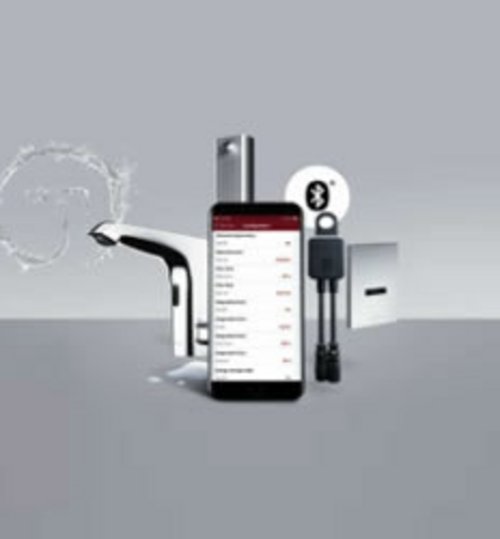
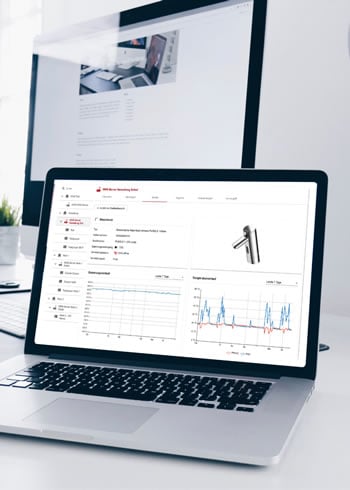
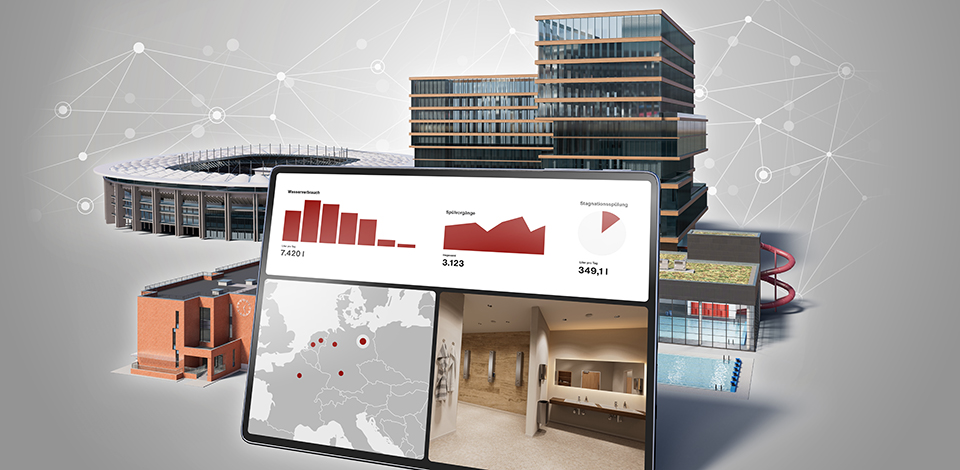
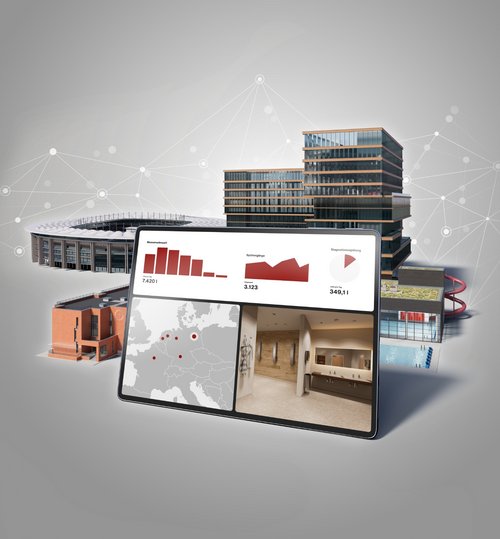
Water management systems offer a more efficient approach. With the SCHELL SWS Water Management System, all electronic SCHELL fittings in the building can be networked and controlled centrally. This allows flushing to be scheduled or automated in response to temperature changes and with full record-keeping.

SMART.SWS extends this system to the cloud by adding remote management functionality. Operators and facility managers can view, control and log flush operations, fitting parameters and system messages from anywhere in the world. During the holiday period or when outside temperatures start to rise, this flushing schedule can be adjusted accordingly – from a two-day to a one-day cycle, for example. No physical access to the building is required.

Temperature-controlled flushes

Alongside scheduled flushes, SWS also offers the option of flushing based on temperature changes. The system automatically triggers an additional flushing operation when a specific temperature is reached – e.g. 25 °C in cold water at the measurement point. Water continues to be exchanged until cold water temperatures drop below a user-configurable target such as 20 °C. This ensures that flushes are truly ‘on-demand’ only. Apart from contributing to good drinking water hygiene this also helps to avoid wasting water.

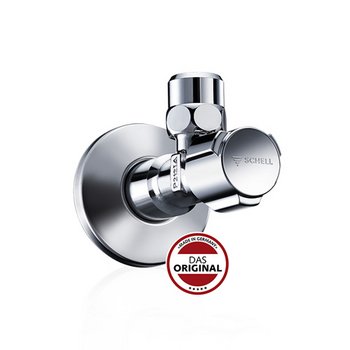
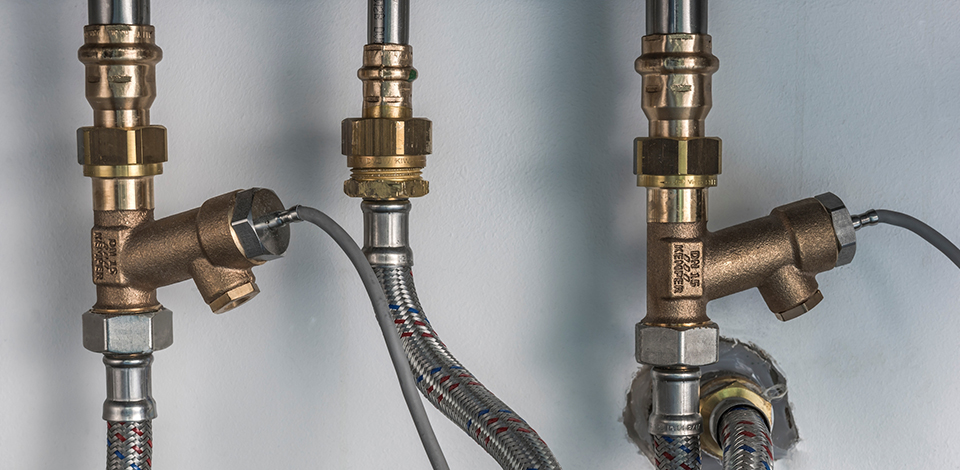
Important: Temperature sensors such as the PT 1000 contact sensor or angle valves with an integrated temperature sensor can be retrofitted easily, and integrated directly with the SWS system.

Keeping a weather eye on cold water in summer – practical tips for operators

Hot summers, longer interruptions in use and trapped heat in buildings can all influence drinking water hygiene and contribute to the excessive proliferation of microorganisms in the piping. Cold water temperatures should therefore be checked at regular intervals and steps taken to ensure an exchange of water across all tapping points.

Good practice for building operators:

  • Regular stagnation flushes (manual or automated) for interruptions in use of more than 72 hours
  • Monitoring of temperatures in PWC and PWH, with the help of thermometers (manual) or temperature sensors (automated)
  • Regular completion of maintenance work

Other topics:

Shower fittings - Wash basin taps - Water management - WC flush systems - Electronic fittings - Building solutions - User hygiene - Planning aids - Renovations - Drinking water hygiene - Anti-scalding protection

Holiday time is changeover time: prepare now for sanitary renovations in schools

The summer holidays mean more than just “school’s out”: they are also the best time to complete school building modernisation and renovation projects.

Read more

Kitchen taps - Urinal flush systems - Wash basin taps - Water management - Electronic fittings - Building solutions - User hygiene - Planning aids - Renovations - Drinking water hygiene

Efficient and hygienic planning and operation of sanitary facilities in administrative and office buildings – with SCHELL

A great many administrative and office buildings in Germany are in need of renovation. According to the 2024 ‘Bestandskompass’ survey, around a third of office space in Germany’s seven largest...

Read more