Clean drinking water for health – an action plan for landlords and tenants
Clean drinking water is an important precondition for everyday health and hygiene. Ensuring water quality is maintained within buildings as well requires the proper operation of the drinking water installation and regular use of the tapping points. Landlords and tenants can take simple precautions to secure drinking water hygiene in the building into the long term.
Why clean drinking water is so important for health
Drinking water is used in many different ways every day. From drinking and showering to hand washing and cooking – direct contact with the human body obviously goes without saying. Especially because this water typically comes directly out of the tap without any further treatment, hygienic requirements are thus very high. After all, any microbiological contamination could be a serious health hazard.
Users at particular risk:
- Older people
- Children
- People with a weakened immune system
The hygienic handling of drinking water is therefore an important part of day-to-day health protection.
Landlord responsibilities
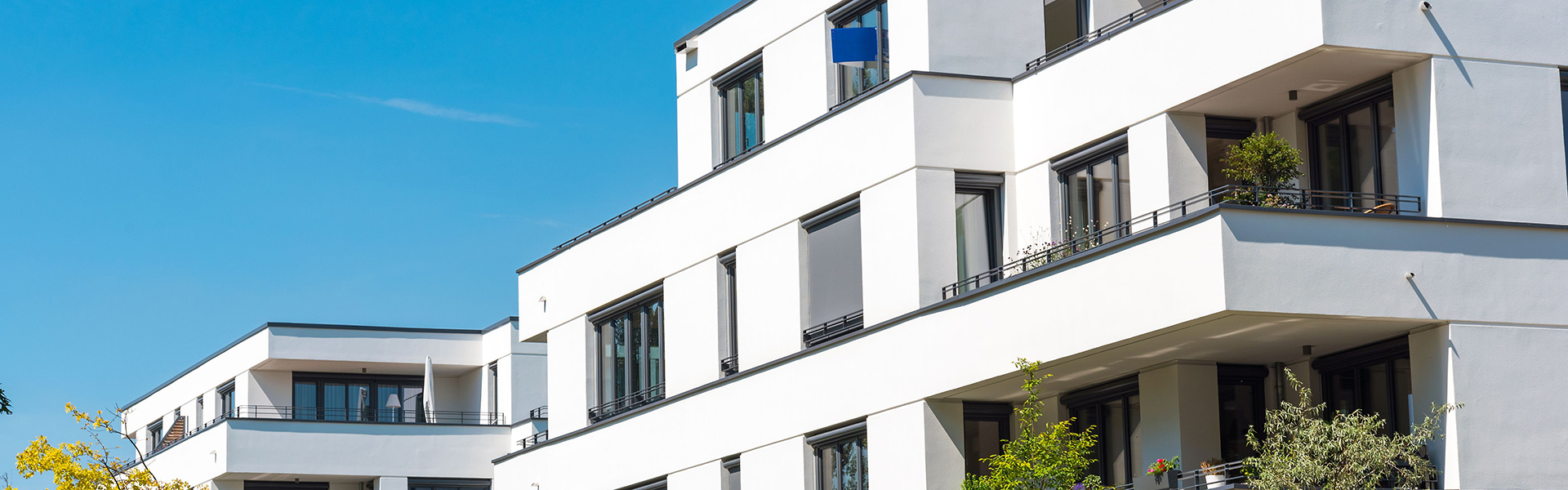
Landlords and building owners are responsible for the drinking water quality within the building installation. They must ensure that drinking water remains safe for human use up to the tapping point. In apartment buildings, where drinking water is heated centrally, these are typically large systems. In Germany, the Drinking Water Regulation prescribes regular Legionella testing for such systems. If the ‘technical action value’ is exceeded in testing, this must be notified to the health authorities. A hazard assessment must be prepared, and technical and organisational measures must be introduced. User habits play an important role even outside the context of drinking water laws, however. Especially in cases where water remains unused for longer periods of time.
Rented apartments
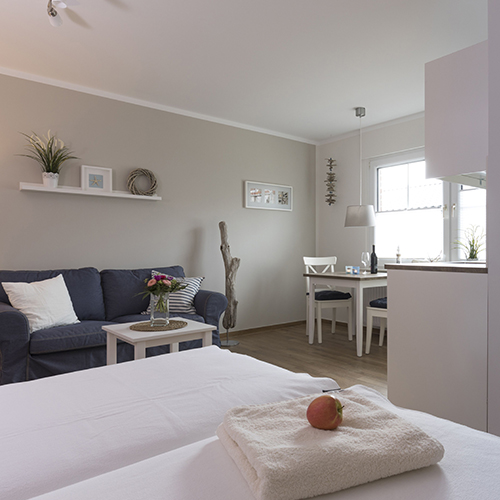
Water is typically used every day by people in rented accommodation. However, there are also some typical cases where water stays unused in the piping.
These include:
- Holidays or longer periods when the tenant is away
- Periods between one tenant leaving and another arriving
- Vacancies when no tenant is resident
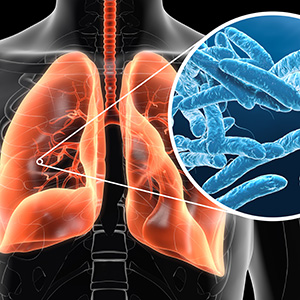
During these times, water can start to stagnate for long periods of time in the piping. This promotes the proliferation of microorganisms and Legionella in particular. The level of risk is proportional to the period of non-use. Landlords should therefore take note during longer periods of absence lasting several weeks or when apartments are vacant. Simple steps can be taken here. Regular flushing of the piping helps to secure water quality, for example.
Holiday homes
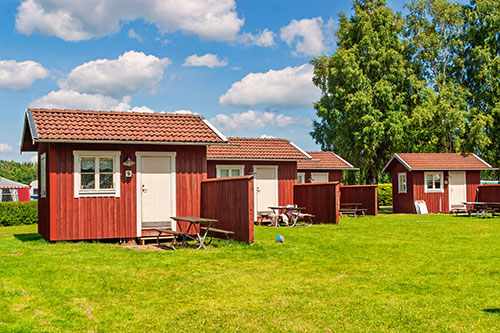
With holiday homes, the situation is often even more critical. Here, usage is irregular and fluctuates significantly. In some circumstances, homes may remain vacant for long periods of time. If properties are often vacant, this significantly elevates the risk of stagnating water. People who rent out holiday homes should therefore take especial care to ensure a regular exchange of water even when homes are currently vacant.
Drinking water hygiene is teamwork
Clean drinking water is an important precondition for everyday health and quality of life. This high water quality is guaranteed up to the service connection. Within buildings, installation, operation and use are the decisive factors for hygiene. Landlords and tenants can work together to ensure that drinking water quality is preserved into the long term. A regular exchange of water, professional facility operations and modern technology help to reduce hygienic risks and ensuring long-term protection for health.



![[Translate to English:]](/fileadmin/user_upload/images/menu/menu_service_downloads_broschueren.jpg "[Translate to English:]")




![[Translate to English:]](/fileadmin/_processed_/7/7/csm_menu_unternehmen_ueber-schell_awards_f6cec25b1d.jpg "[Translate to English:]")
![[Translate to English:]](/fileadmin/_processed_/a/0/csm_menu_unternehmen_ueber-schell_wasser-sparen_41036d2dd9.jpg "[Translate to English:]")