5 myths: how safe is drinking water from the tap really?
In Germany, tap water is naturally safe to drink and people do so every day. Several myths about the quality of tap water continue to persist, however. Is mineral water healthier? Is old piping always a health hazard? Do you really need to install a tap water filter? Read this article to find out what these assumptions are based on – and what consumers need to know to stay safe.
What affects the quality of drinking water?
Drinking water is one of the most strictly regulated foodstuffs in Germany.Yet its quality also depends on the building installation and proper handling in day-to-day use. Water utilities guarantee quality up to the service connection.From this point on, piping, fittings and temperatures play a key role – as does the routine use of tapping points.
The regular exchange of water is especially important here. If water is left in the piping for prolonged periods, this is called stagnation. This stagnation increases the risk of the excessive proliferation of microorganisms like Legionella.
Myth 2: “Water out of old piping is always a health hazard.”
Fact check: Age is only one of the factors here.
Water from old piping can be harmful to health when substances from the pipes dissolve into drinking water. How much actually enters the water and whether this poses a health hazard depends, among other things, on the materials, installation age, water pH and how long the water spends in the piping.
Important: In case of doubt, contact the landlord, building management or owner, or have the water tested by a professional. The law requires property owners and water utilities to replace or decommission lead pipes and lead pipe sections.
Verdict: Old piping isn’t a serious problem per se.
Piping isn’t a health hazard just because it is old. Instead, what is important are the correct materials, professional installation and regular use.
Tip: If water has been left to stand in the piping, let the water run out of the tap until it starts getting cold.
Myth 3: “Warm tap water is not safe to drink.”
Fact check: It all depends on day-to-day operations.
What is important is that the drinking water installation is professionally planned and operated, and regularly used. Achieving the right temperature in the hot water tank and piping is also critical here – as lukewarm water offers ideal growth conditions for Legionella. This risk is lowered significantly if temperatures are kept high and water is exchanged regularly.
Verdict: Warm water is not necessarily unsafe to drink.
The myth is just that: a myth. Warm water can be supplied as a hygienically safe resource with the right installation, temperature and usage. Above all, water should never be left to stagnate in the piping. This is achieved with the regular use of all tapping points.
Simple tips for staying safe when using tap water
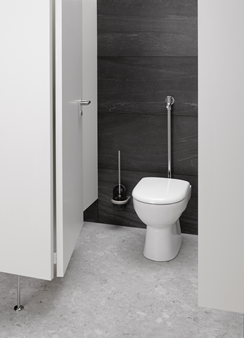
Ensure the regular use of all tapping points: Tapping points in less-used rooms – like a guest WC – should also be left to run briefly now and then. This replaces the water in the system and avoids any prolonged stagnation in the piping.
Flush through after longer periods of absence: All tapping points should be flushed through once after a holiday, weekend away or longer interruptions in use.
Always use fresh water: Whether for drinking or cooking, water should always be drawn fresh out of the tap. If a tap hasn’t been used in a while, let the water run a little until cool to the touch.
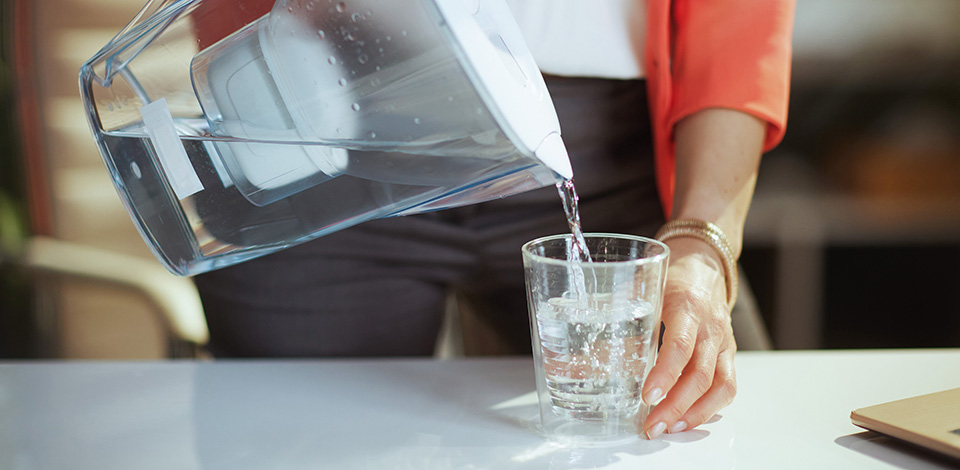
Keep containers clean: If you fill flasks or carafes with drinking water from the tap, clean them regularly to avoid any risk of bacterial contamination.



![[Translate to English:]](/fileadmin/user_upload/images/menu/menu_service_downloads_broschueren.jpg "[Translate to English:]")





![[Translate to English:]](/fileadmin/_processed_/7/7/csm_menu_unternehmen_ueber-schell_awards_f6cec25b1d.jpg "[Translate to English:]")
![[Translate to English:]](/fileadmin/_processed_/a/0/csm_menu_unternehmen_ueber-schell_wasser-sparen_41036d2dd9.jpg "[Translate to English:]")