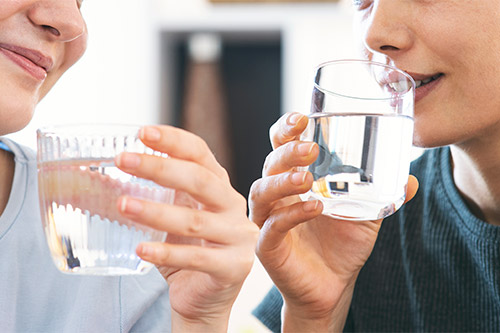
Day–to-day water: facts and figures
Water is part of daily life in many ways. Yet often, we often fail to appreciate the all-important role that water plays. Only a look at the numbers reveals the many uses we have for water and which routines typically affect its consumption. If we take a close look at usage and quality, we can truly understand the key role that water plays in health, hygiene and quality of life. Modern electronic fittings help to ensure the simple, efficient and reliable handling of water.
Day–to-day water – always there, rarely questioned
Daily consumption in figures
The following details are based on average household consumption in industrial nations, especially Germany and other European countries. Actual consumption varies depending on region, infrastructure and lifestyle.
- The average person uses 120–130 litres of water every day at home
- Of this, only about 3–5 litres are literally consumed
- More than 90 % is used for hygiene, cleaning and household tasks
- A person comes into contact with water 30–50 times a day
- More than half of these encounters last less than 15 seconds
- Together, mornings and evenings account for more than 60 % of daily water use
- Many people underestimate their own consumption by 20–30 %
Sources: Federal Environment Agency (Germany), German Federal Statistical Office, European Environment Agency (EEA).
Shower, WC, wash basin – where water is really needed
The vast majority of our water usage is concentrated in just a few places in our homes. The bathroom plays a particularly important role here.
- 60–70 % of overall water consumption happens in the bathroom
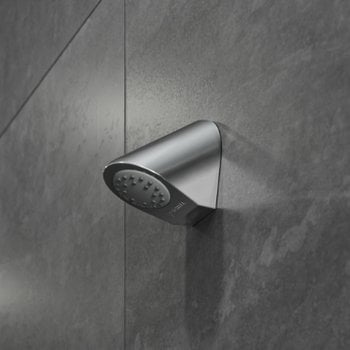
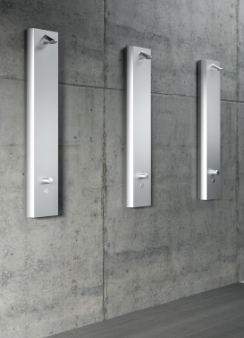
- 35–40 % results from taking showers and baths
- The average shower consumes about 10–15 litres of water a minute
- The average person showers for about 7–9 minutes
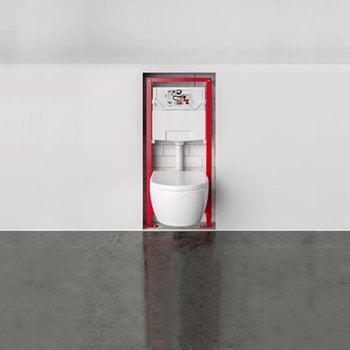
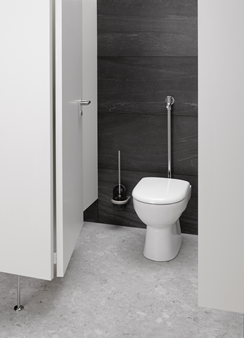
- Flushing the toilet accounts for 25 % of daily water consumption
- Depending on the WC system, a single flush uses 6–9 litres of water
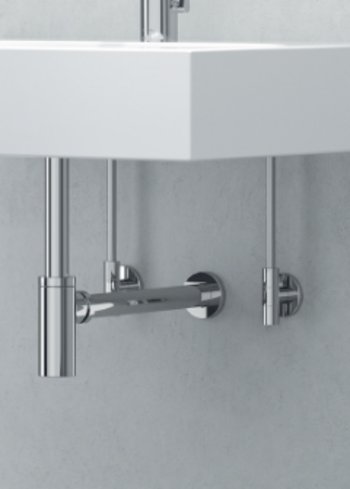
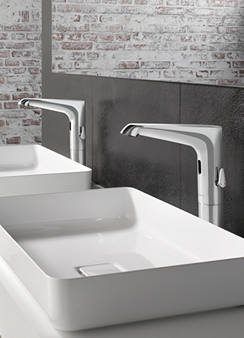
- Basins and sinks in bathrooms and kitchens are used most often
- Individually, they don’t add much to consumption • Overall, though, they are still relevant, as they are used briefly but often
Sources: Federal Environment Agency (Germany), World Health Organization (WHO), European Environment Agency (EEA).
What these statistics say about our daily routines
In many industrial nations, using water is simply taken for granted. Individual uses seem unimportant. However, personal consumption is not the result of specific activities but established routines. If we look at our daily schedules in figures, the combined effects become clearer and we can better estimate our handling of water.
Using water responsibly every day
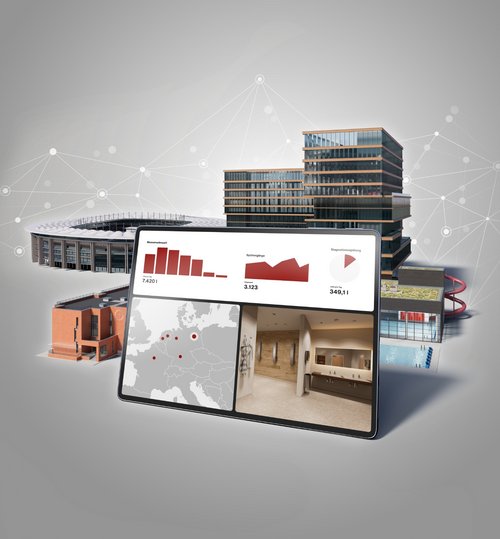
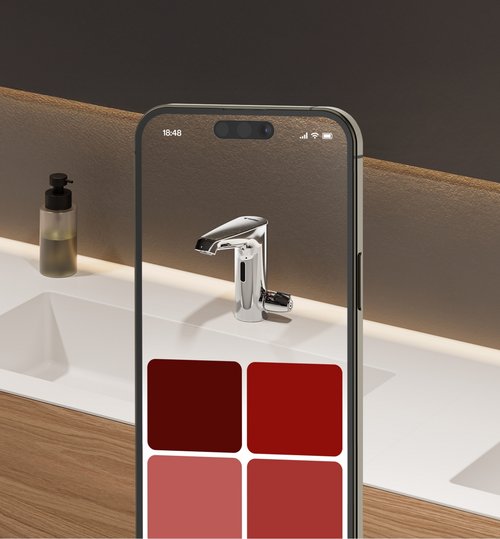
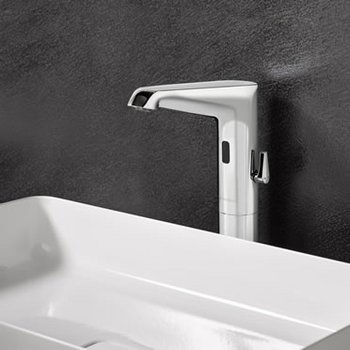
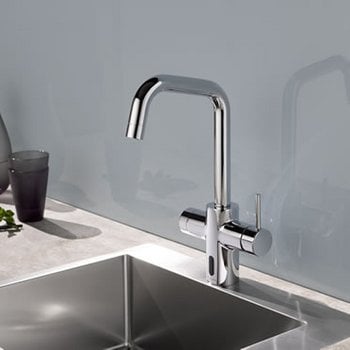
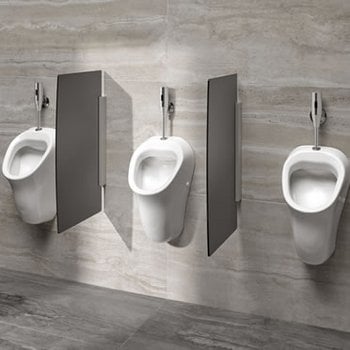
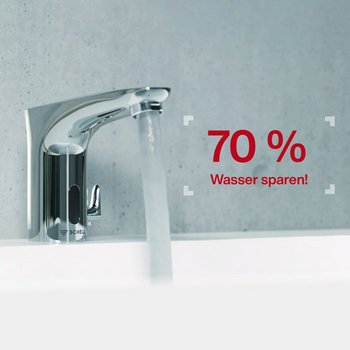
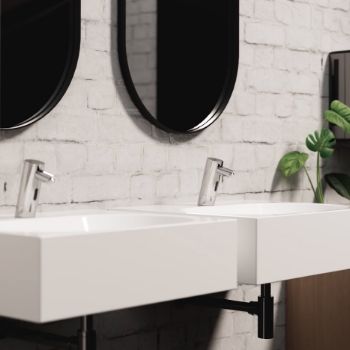
In many parts of the world, water is always available, day in, day out, and its use is often taken for granted. Statistics can help to better understand our use of water. Regular use of fittings plays a major role in water quality. Technology can help in places where routines have their limits. Electronic taps combine comfort, safety and efficiency, and therefore help to ensure the controlled and resource-friendly use of water.





![[Translate to English:]](/fileadmin/user_upload/images/menu/menu_service_downloads_broschueren.jpg "[Translate to English:]")





![[Translate to English:]](/fileadmin/_processed_/7/7/csm_menu_unternehmen_ueber-schell_awards_f6cec25b1d.jpg "[Translate to English:]")
![[Translate to English:]](/fileadmin/_processed_/a/0/csm_menu_unternehmen_ueber-schell_wasser-sparen_41036d2dd9.jpg "[Translate to English:]")