LEED_und_BREEAM_Zertifizierung_Header_1920x600

LEED and BREEAM certification: products from SCHELL for sustainable buildings

Building certifications like LEED and BREEAM are an important benchmark for green building and efficient building operations: they assess the building over its entire life cycle and define clear sets of requirements for planning, product selection and operations. Water consumption plays an important part here, because it directly affects sustainability and operating costs. As part of a strong overall strategy, suitable products make an important contribution to achieving certification targets.Long-lasting, water-efficient solutions produced with resource-friendly methods are essential here. SCHELL helps planners, tradespersons and building operators complete successful LEED and BREEAM projects with tested products and verified documentation.

Building certification schemes: setting the standards for sustainability

Sustainability in buildings needs a clear set of criteria. This is where certification schemes step in – by creating transparency and making quality measurable.

For owners and investors, certified buildings offer a number of key advantages:

  • Greater appeal to potential buyers or tenants
  • Long-term reductions in operating costs
  • Positive image and visible engagement with sustainability
  • Structured and transparent review processes

A certificate is therefore not just a label:
it is a public statement about responsible building and facility management.

What is LEED certification?

Developed by the US Green Building Council, the LEED certification scheme stands for ‘Leadership in Energy and Environmental Design’. The scheme has a global reputation as one of the leading green building standards. Assessment makes use of a points system that covers ecological, economic and social criteria,

with up to 110 points being available. The final rating decides the building’s certification tier:

‘Certified’, ‘Silver’, ‘Gold’ or ‘Platinum’.      

LEED is an especially attractive option for projects that want to provide clear evidence of their energy and resource efficiency, and which exceed national minimum standards.

What is BREEAM certification?

BREEAM stands for ‘Building Research Establishment Environmental Assessment Method’ and is the oldest assessment system for green building. Originally developed by the UK Building Research Establishment, the scheme now has international standing and can be adjusted to meet national requirements. Alongside ecological and economic factors, social aspects – such as the health and wellbeing of building occupants – are also central to the assessment process.

The aim here is to maintain sustainable operations over the building’s entire life cycle. Assessments of local biodiversity and the ecological impacts of a project on its overall environment are also an important part of the BREEAM process.

BREEAM also utilises a points-based system and a set of tiered certification levels.

Assessment criteria in LEED and BREEAM

Both systems consider the building as a whole and over its entire life cycle.

Typical assessment categories include:

1. Energy use and energy efficiency 2.

Common international targets

Despite their separate origins, LEED and BREEAM essentially pursue the same goals. Both schemes aim to reduce energy and water consumption, cut carbon emissions and conserve resources. At the same time, there is a focus on economic efficiency, achieved by lower life cycle and operating costs, and social responsibility – by keeping interiors healthy and comfortable, for example.

The certification schemes also require high-quality construction methods, with durable materials andinnovative solutions for planning and operations. Intelligent building management, utilising water and energy monitoring, for example, also helps to optimise processes and maintain long-term appeal and value retention for properties.

Water efficiency as a key topic for LEED and BREEAM projects

Water is a significant and central factor in the certification process. Planners should be aware thatevery flow volume has a direct effect on the overall points rating. The schemes require efficient technologies, reduced consumption and clearly measurable savings. The selection of suitable sanitary equipment can make a crucial difference here and secure the building valuable extra points.

How SCHELL products help buildings achieve certification

SCHELL has a long history of promoting the responsible use of water and energy. Designed with efficiency, hygiene and resilience in mind, the company’s products contribute directly to key assessment categories within LEED and BREEAM.

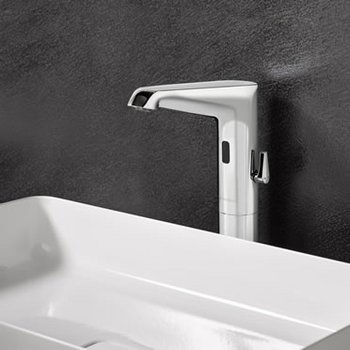
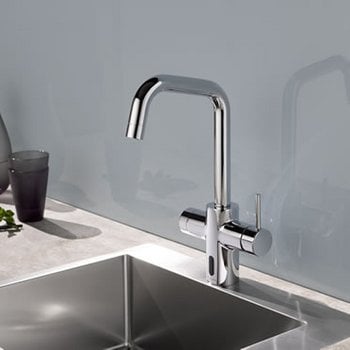
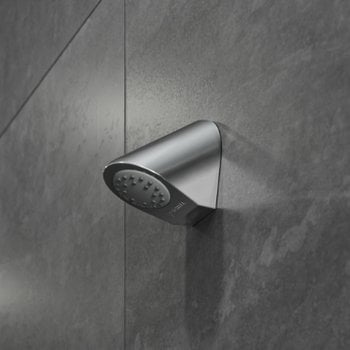
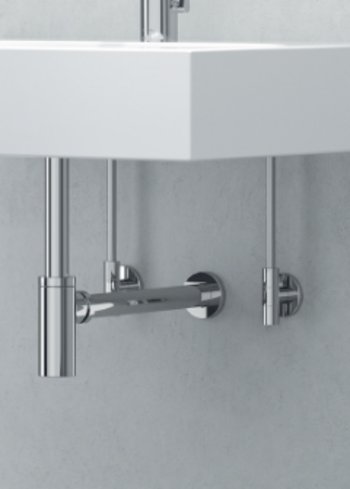
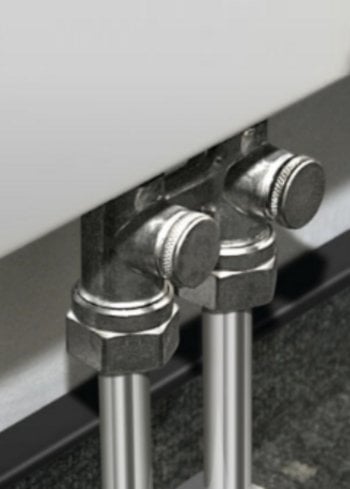
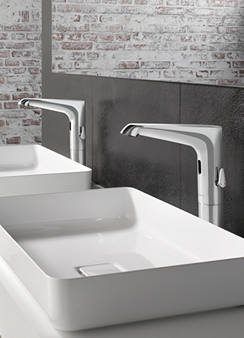
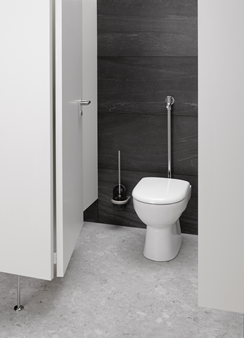
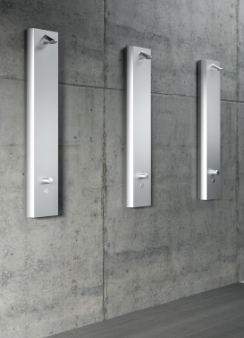
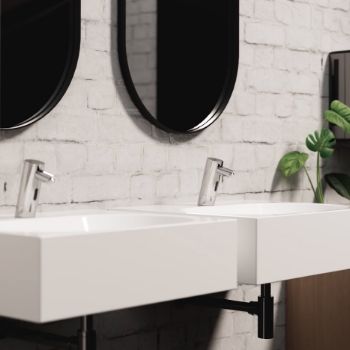
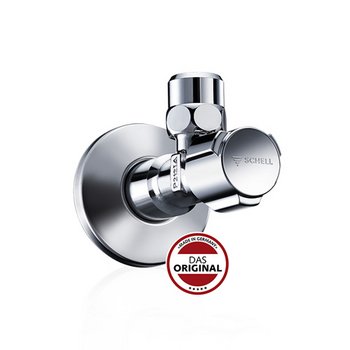
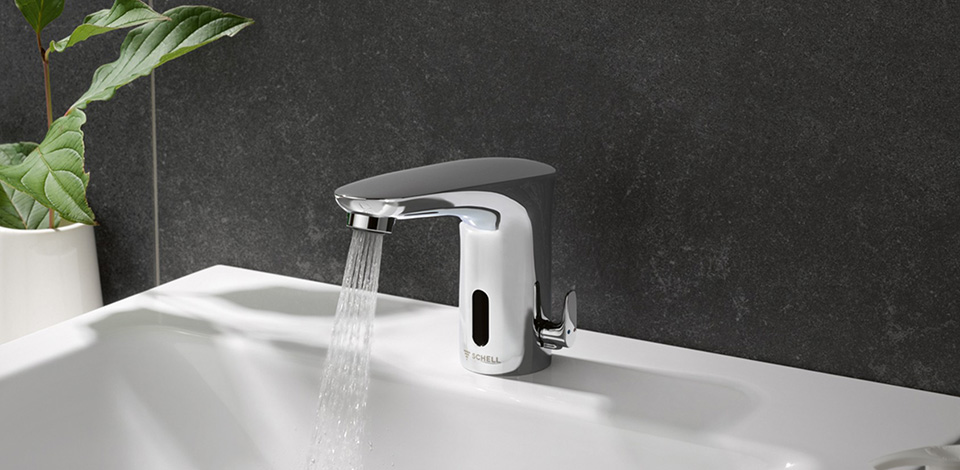
Water- and energy-efficient contactless fittings help to achieve targeted savings in water and energy use. Water only flows from these fittings when it is actually needed. This achieves significant savings in consumption. Fittings are available for wash basins, showers, WCs, and urinals and for kitchens. SCHELL angle valves can also be installed to further reduce water consumption.

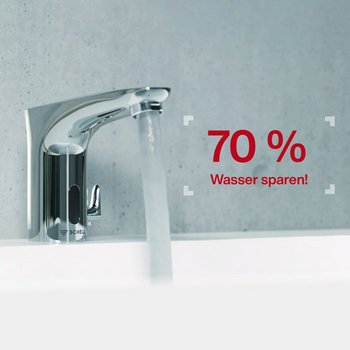
Electronic fittings from SCHELL help to achieve sustainable building certifications like LEED or BREEAM.Compared with conventional fittings, and depending on the usage scenario and initial situation, the fittings can cut water consumption by up to 70 percent while also saving energy.

Reduced flow volumes are an important factor for ensuring efficient water use. Specialised flow regulators from SCHELL are designed to meet the requirements of building certification schemes and reducewater volumes without compromising on user comfort. For showers, flow restrictors can also ensure the the resource-friendly use of water in these facilities.

Durability and low-maintenance requirements Hard-wearing, vandal-resistant products are designed to offer a long service life. These maintenance-friendly fittings make servicing work easier while also reducing downtime. This has the effect of extending the product life cycle. Fewer replacements also translate to lower resource consumption and less of an impact on the environment.

Resource-friendly productionRecycled materials like brass are used within manufacturing processes. The products are designed to ensure they can be recycled again at the endof their useful life. This fundamental circular economy principle reduces demand for primary raw materials while helping to cut energy consumption and carbon emissions.

Planning reliability with third-party verification

The product assessments completed by Encon Associates for LEED certification create a reliable starting-point for planning decisions. SCHELL products are subjected to an independent and neutral assessment that covers aspects such as resource use and emissions. As accredited sustainability experts, Encon provide reliable documentation for the certification process. This creates transparency and a strong, manufacturer-neutral foundation for effective planning.

Operational efficiency with the SWS Water Management System/SMART.SWS

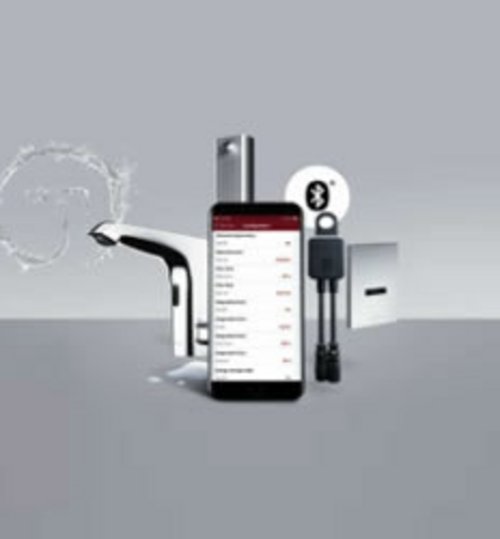
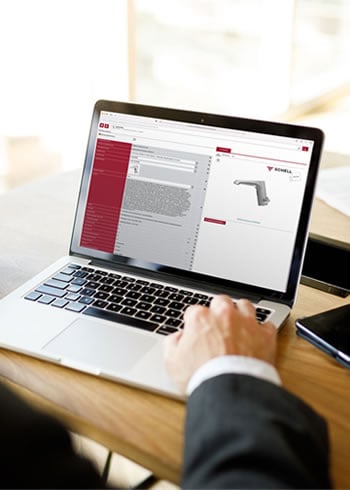
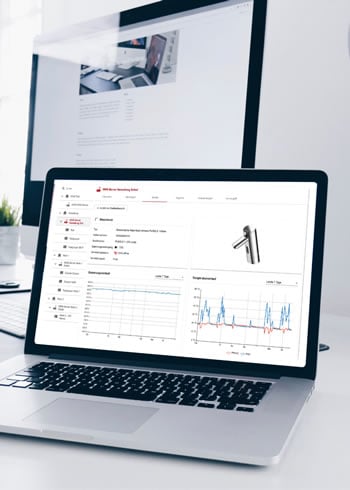
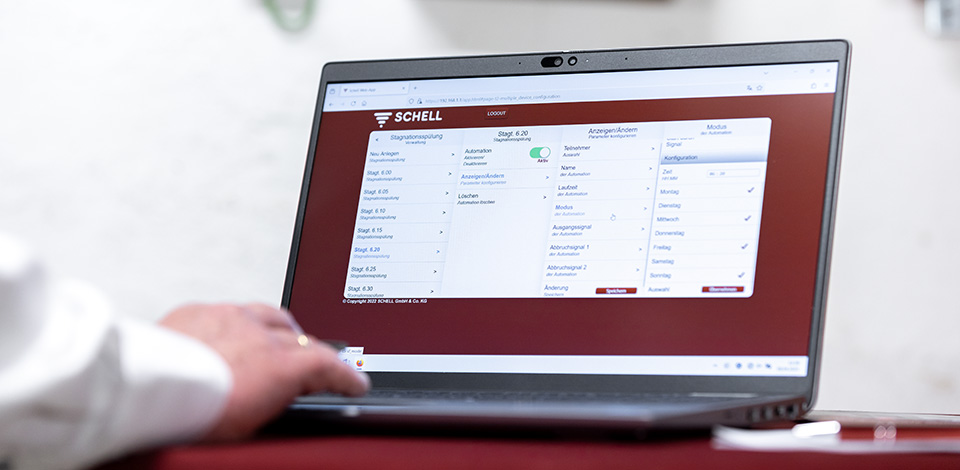
For large properties in particular, building operators, investors, planners and facility managers face the task of managing drinking water efficiently and safely. From existing buildings to new construction, SCHELL has the innovative answer here: the SWS Water Management System/SMART.SWS. SWS enables the intelligent networking, control and monitoring of all electronic fittings via a primary water management server. The system is operated using a proprietary software package. SMART.SWS offers intelligent, at-a-glance monitoring and automated report generation for buildings anywhere in the world.

Efficiency and hygiene in day-to-day operations

The water management system ensures optimal drinking water hygiene right up to the tapping point. Automated hygiene flushes and thermal disinfection controlled by the primary server provide support for hygienically safe operation of the drinking water installation. At the same time, the system also optimises energy use and other economic parameters by the targeted control of water volumes, plus analysis functions and continuous event logging.

Practical, versatile and easy to integrate

Designed for use in new developments and existing buildings alike, the system can be integrated as required with the current central building control system. The system offers convenient remote access and operation via a browser-based interface that can be used on PC, tablet or smartphone.

Sustainability at SCHELL is not just about products

SCHELL’s integrated approach to sustainability is a fundamental principle of business at the company and is not limited to individual products. Water-efficient fittings form part of the coreproduct strategy, and are complemented by the water management system and digital solutions. Manufacturing focuses on long-lasting products produced according to the cradle-to-cradle principle, the use of recycled materials and resource-optimised methods. 

Efficient construction and operations start with the manufacturer

LEED and BREEAM certifications set a high bar for building planning, product selection and operations. Efficient water use, hygiene and high-quality documentation also play a key role here. SCHELL supports the certification process with resilient, water-efficient products and verified documentation, as well as digital solutions to support efficient and safe operations. This ensures the precise achievement of sustainability targets while ensuring the economic and responsible operation of buildings throughout their entire life cycle.

SCHELL’s LEED and BREEAM brochures

Please see our brochures for a comprehensive introduction to the assessment schemes and full details of SCHELL’s sustainable products. Why not take a look?

LEED
BREEAM

Other topics: