Overall installation versus single components
In sanitary facilities, sound insulation is often thought of in terms of individual products. In terms of a rating, however, only the overall installation is assessed.
This ‘building services noise’ is created by the interplay of several factors:
- Piping and pipe routing
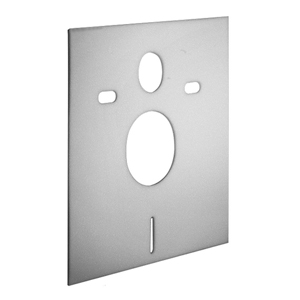
- Fixing/anti-vibration systems
- Fittings used
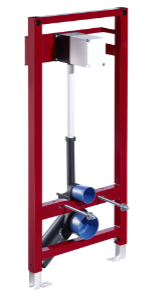
- Installation and installation space
Good practice: Every single component influences the end result. Even acoustically certified products cannot be truly effective if planning or installation work is not carried out properly.Whether minimum or more stringent requirements apply, the whole system must achieve the required level of sound insulation.
Focus on draw-off fittings
A ‘draw-off fitting’ is a fitting where water is intended to be drawn off for use. These fittings include:
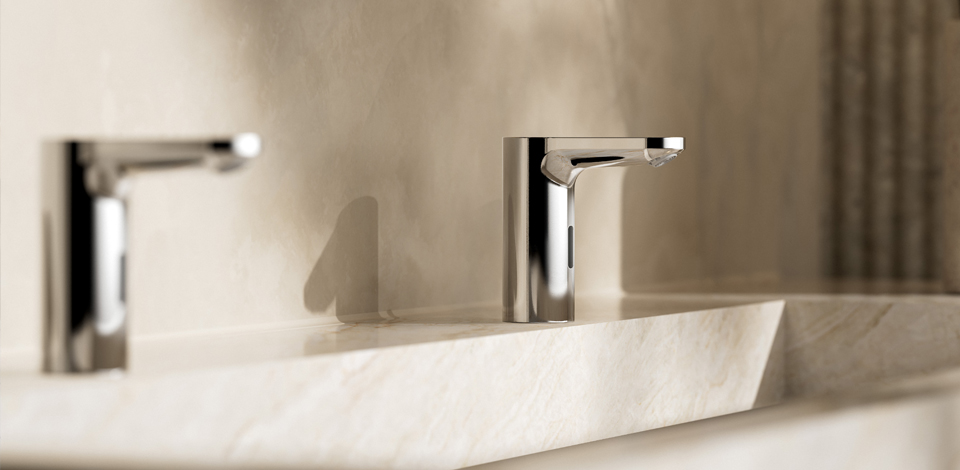
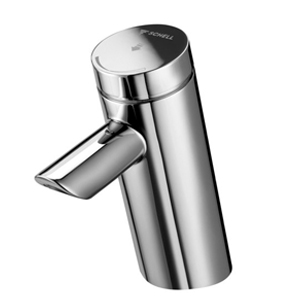
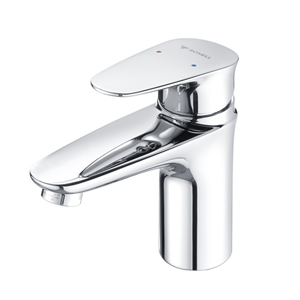
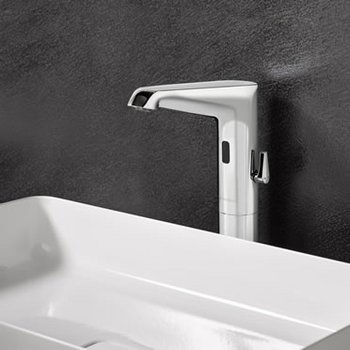
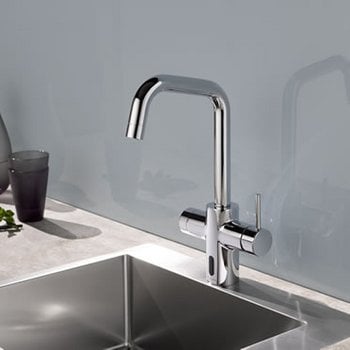
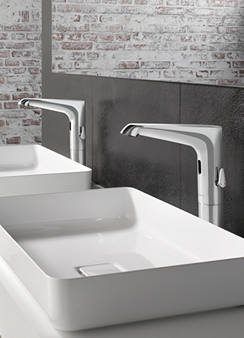
- Wash basin taps
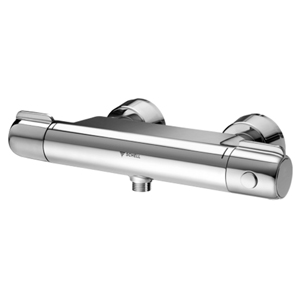
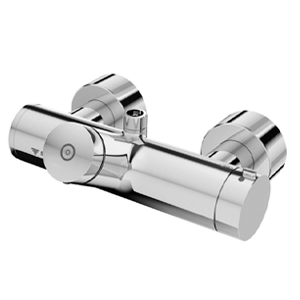
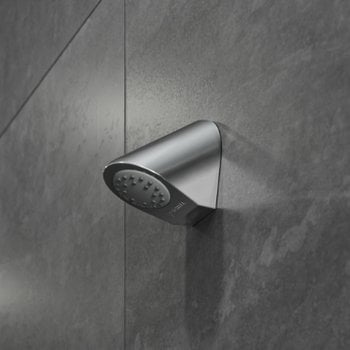
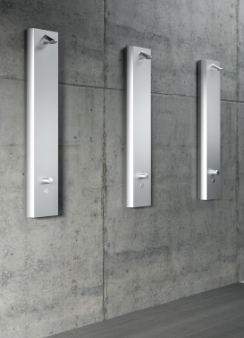
- Shower fittings
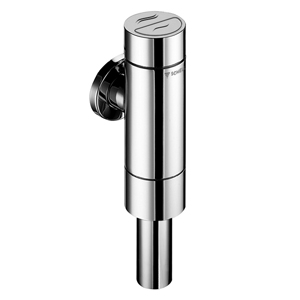
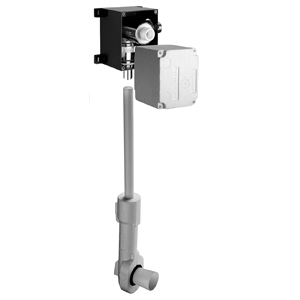
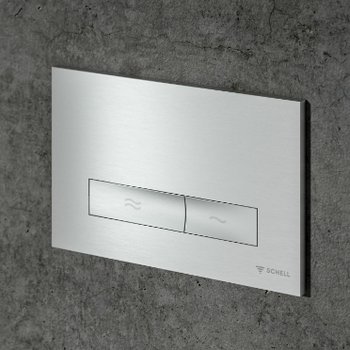
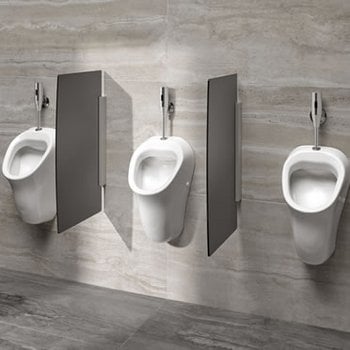
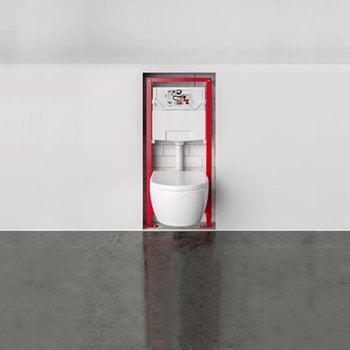
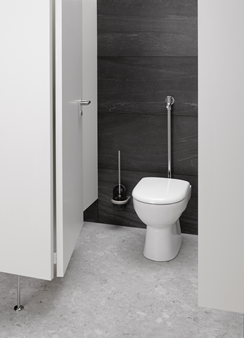
- WC and urinal flush valves
The hydraulic flows, pressure and mechanisms involved in operating these fittings mean that they strongly influence noise levels. To ensure an accurate assessment of the noise produced, fittings are assigned to a noise class.
Noise classes in a nutshell
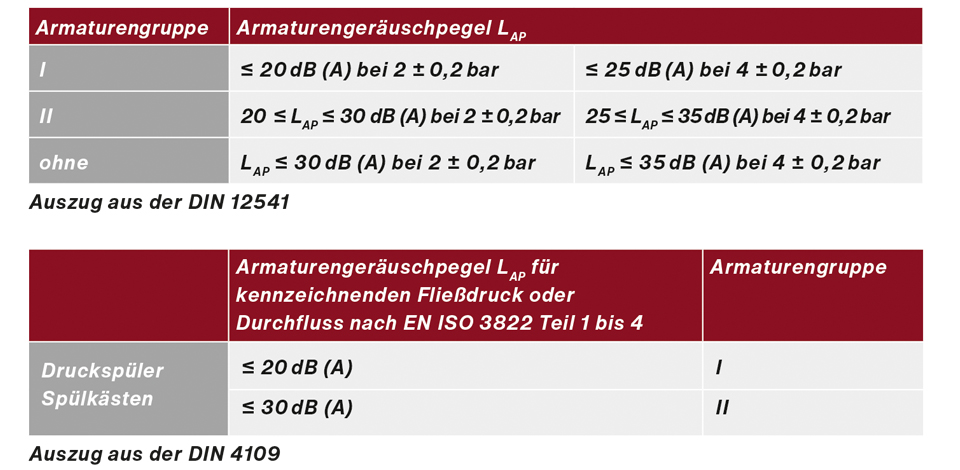
DIN EN ISO 3822 defines the basic measurement procedure that is used to determine noise levels under laboratory conditions for sanitary draw-off fittings supplying water.
For WC and urinal flush valves, DIN EN 12541 defines a set of measurement requirements that supplement those in DIN EN ISO 3822, setting out exactly how these fittings are to be tested and assessed.
Values measured according to DIN EN ISO 3822 then enable assignment of the fitting to a ‘fitting group’ (this is the term used in the standard) from DIN 4109, which is typically called a ‘noise class’ (general term) .
This classification is especially important in practice, as planners, project leads and architects can use it to make targeted selections of acoustically certified fittings.
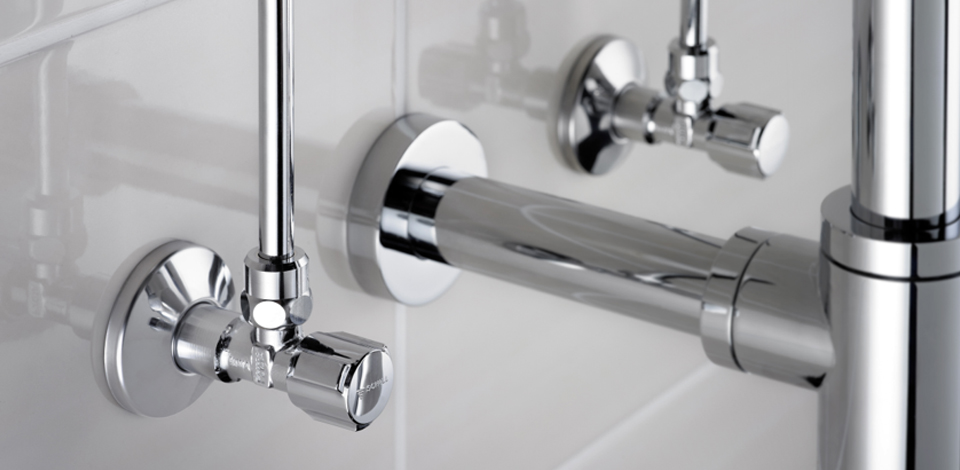
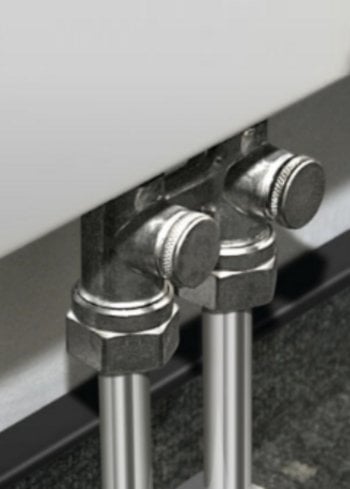
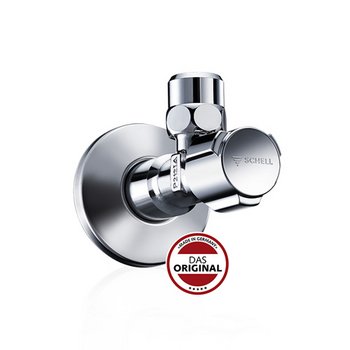
Fittings in noise class I are considered to be especially quiet and are suitable for noise-sensitive areas. Although this classification largely affects draw-off fittings, it may also apply to other water supply fittings such as angle valves.










![[Translate to English:]](/fileadmin/user_upload/images/menu/menu_service_downloads_broschueren.jpg "[Translate to English:]")







![[Translate to English:]](/fileadmin/_processed_/7/7/csm_menu_unternehmen_ueber-schell_awards_f6cec25b1d.jpg "[Translate to English:]")
![[Translate to English:]](/fileadmin/_processed_/a/0/csm_menu_unternehmen_ueber-schell_wasser-sparen_41036d2dd9.jpg "[Translate to English:]")